
Library
Explore connected stories about satellites, missions, the Solar System, and the people who shaped our understanding of space.
Missions
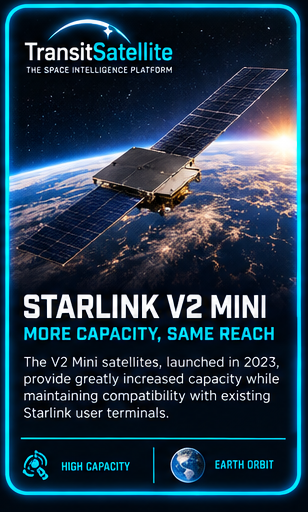
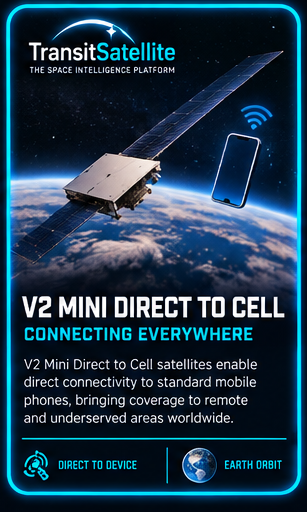
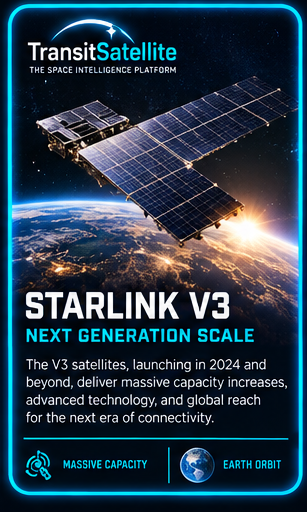
Satellites
Space Station
International Space Station
International Space Station is a Space Station in LEO.
Scientific
Hubble Space Telescope
Hubble Space Telescope is a Scientific in LEO.
Earth Observation
TERRA
TERRA is a Earth Observation in LEO.
Other
ACS3
ACS3 is a Other in LEO.
Other
SPACEMOBILE-003
SPACEMOBILE-003 is a Other in LEO.
Weather
GOES 16
GOES 16 is a Weather in GEO.
Solar System
Planet
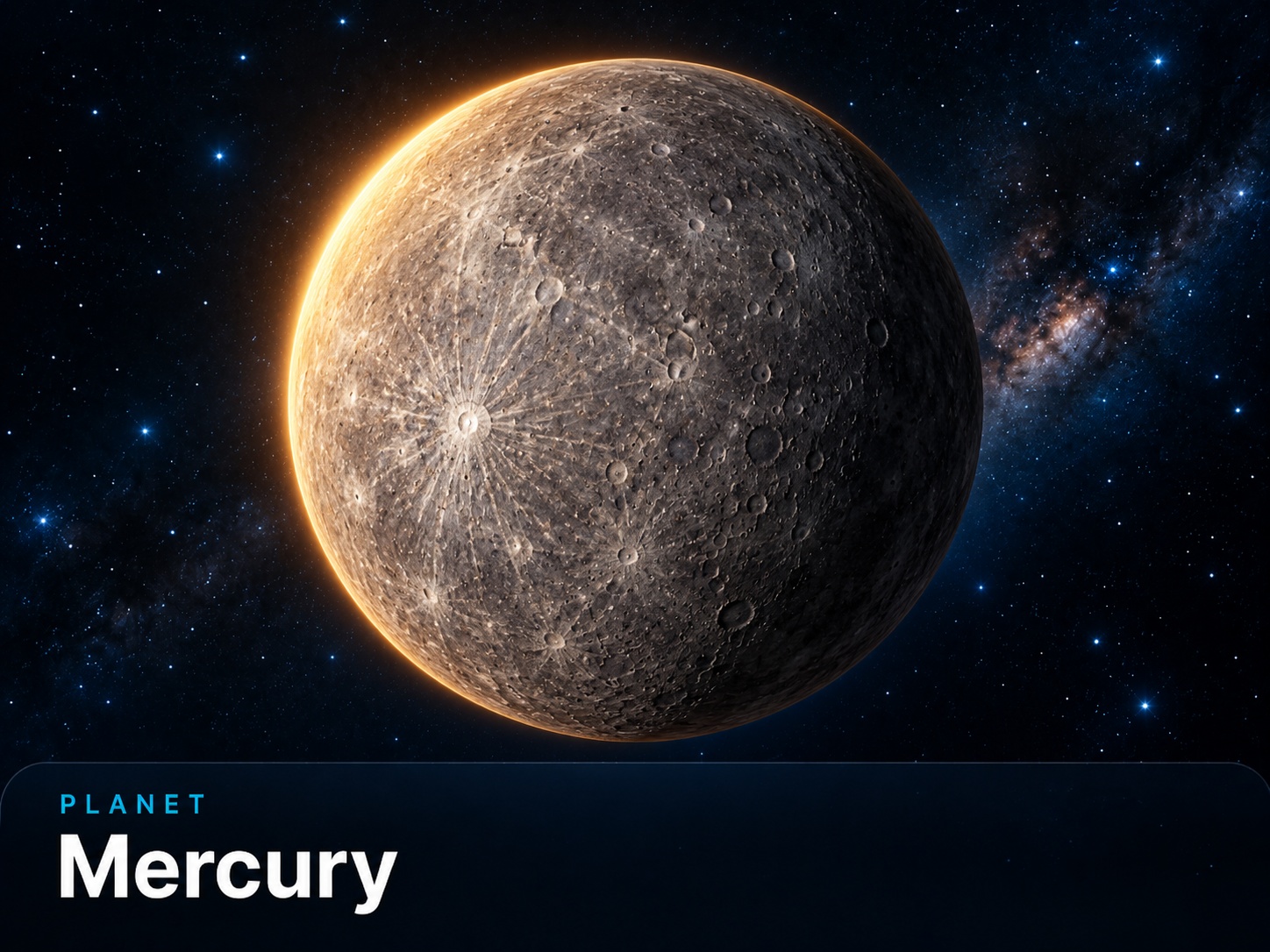
Mercury
Learn how Mercury connects orbital speed, distance from the Sun, rocky planets, and motion in the inner Solar System.
Planet
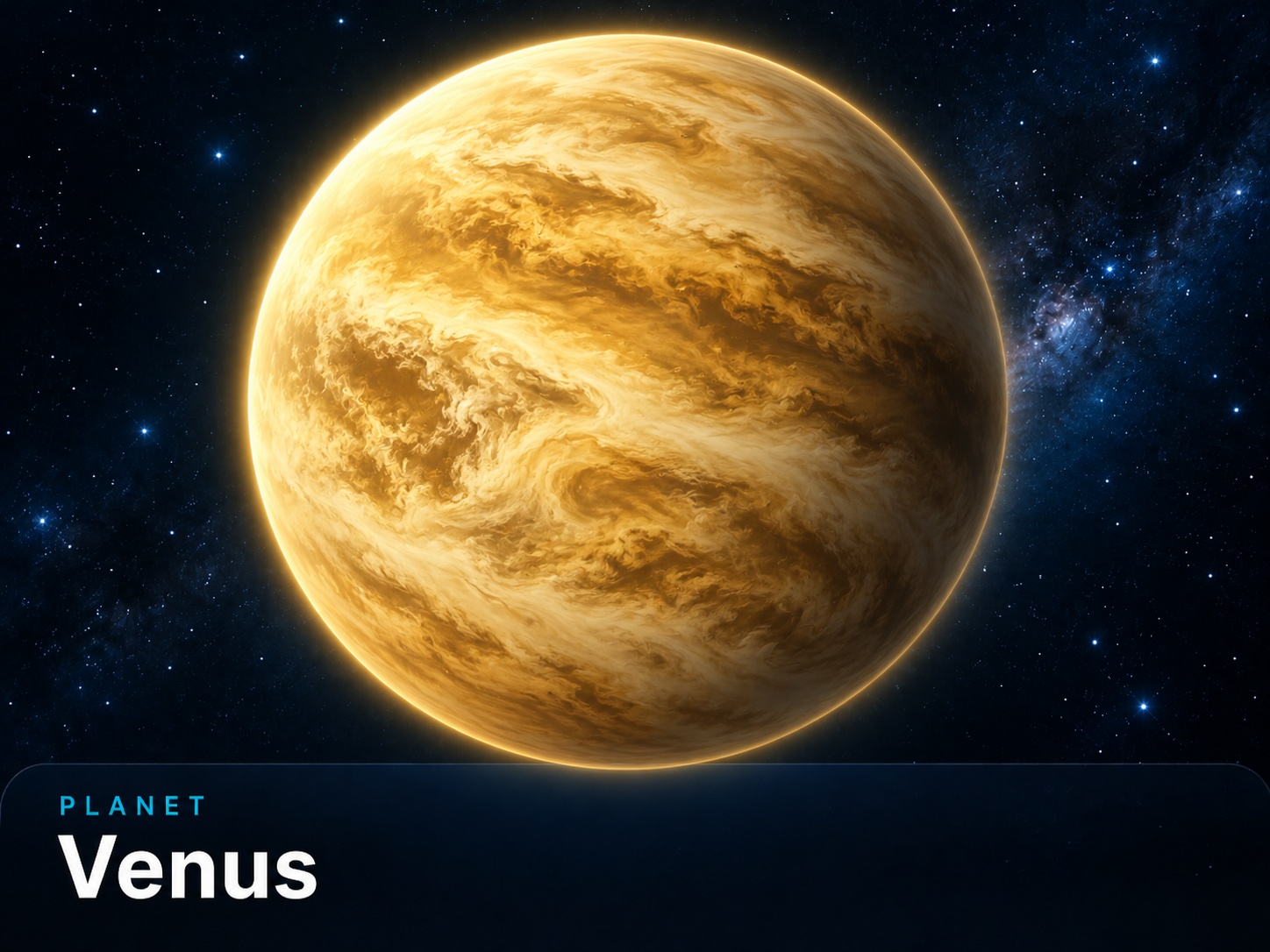
Venus
Learn how Venus connects planetary visibility, atmospheric science, inner-planet motion, and comparisons with Earth.
Planet
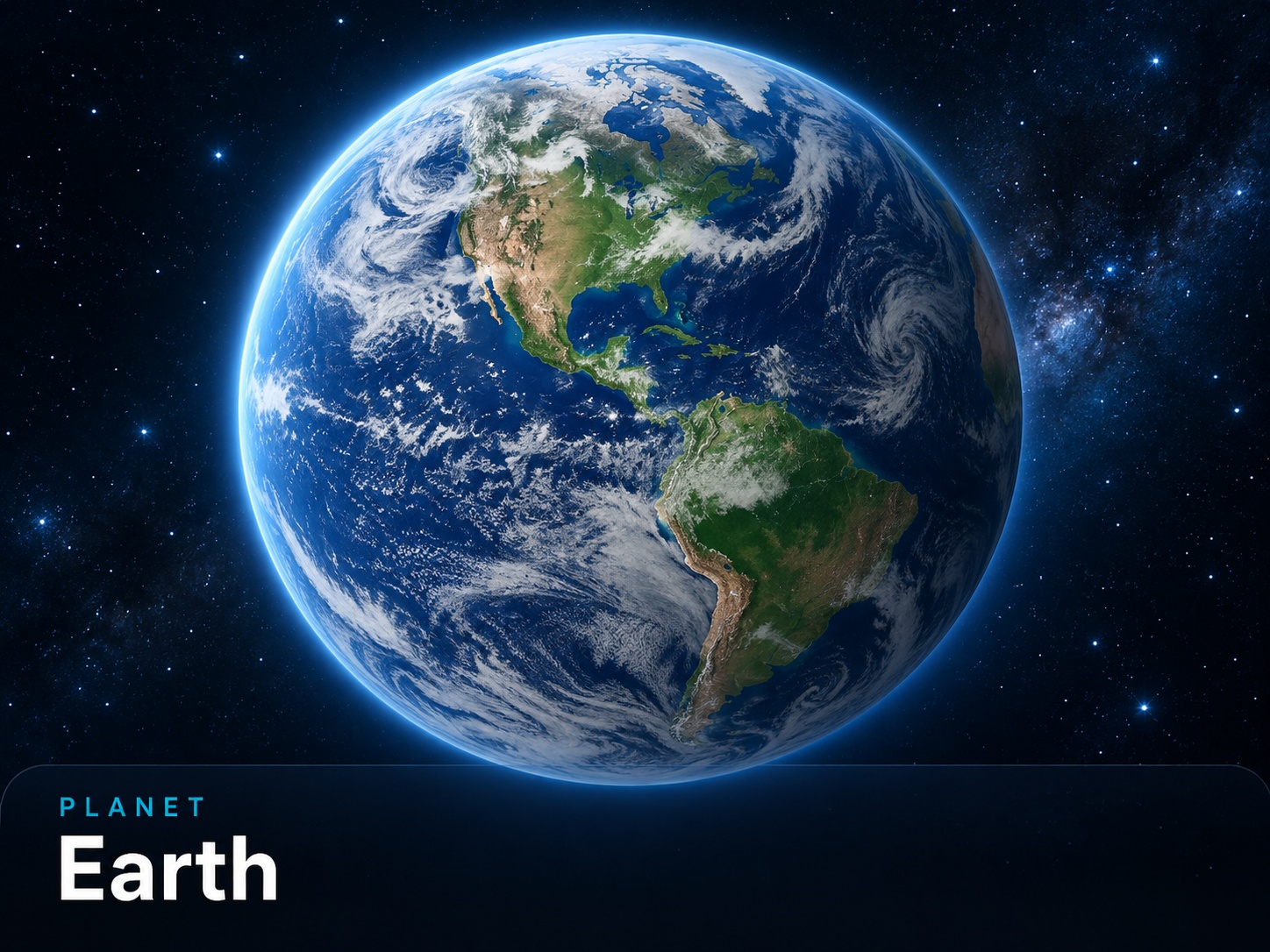
Earth
Learn how Earth connects satellite tracking, observer location, orbit timing, the Moon, and the larger Solar System.
Moon
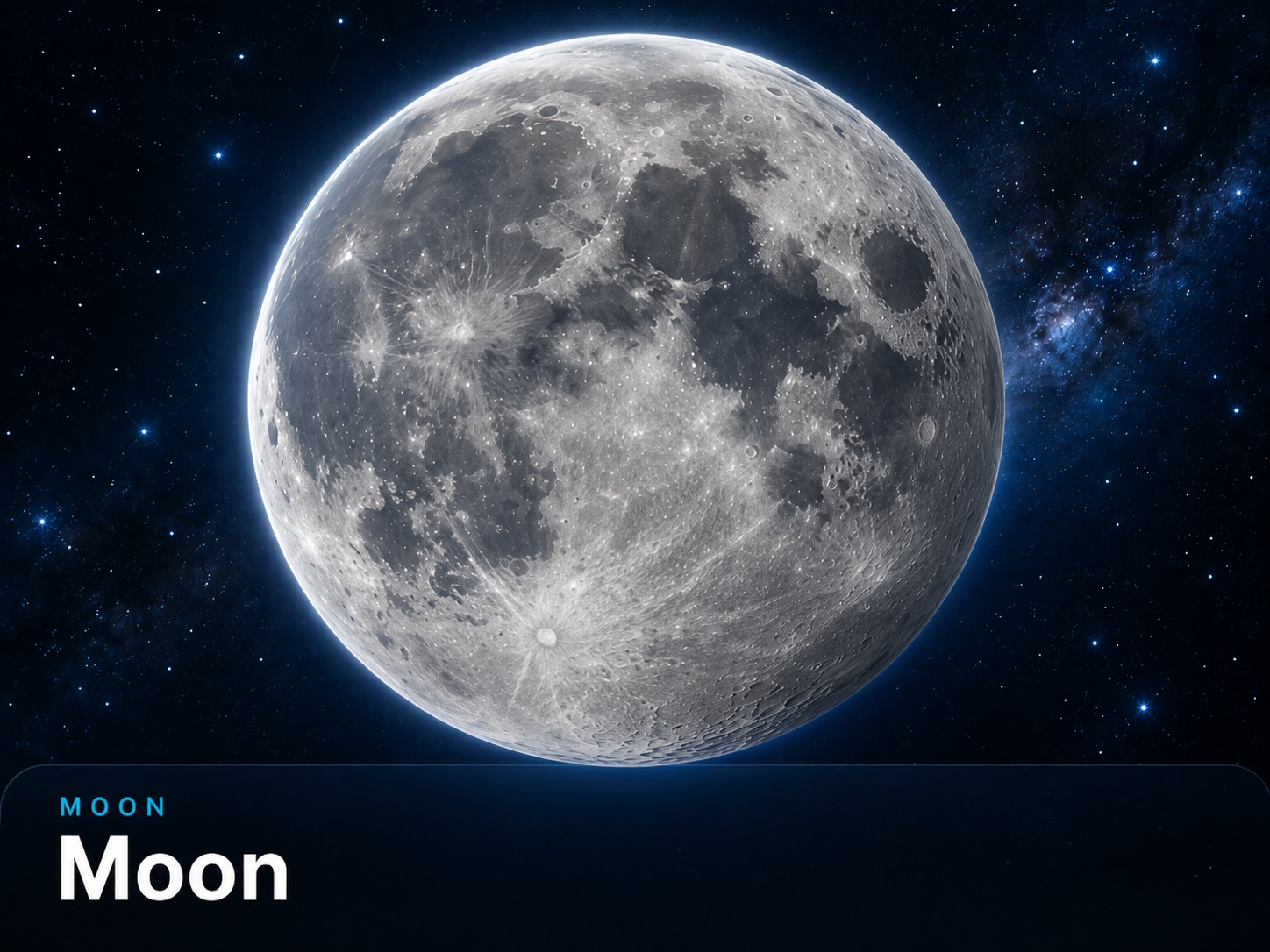
Moon
Learn how the Moon orbits Earth and why it helps explain satellites, layered motion, and visible sky objects.
Planet
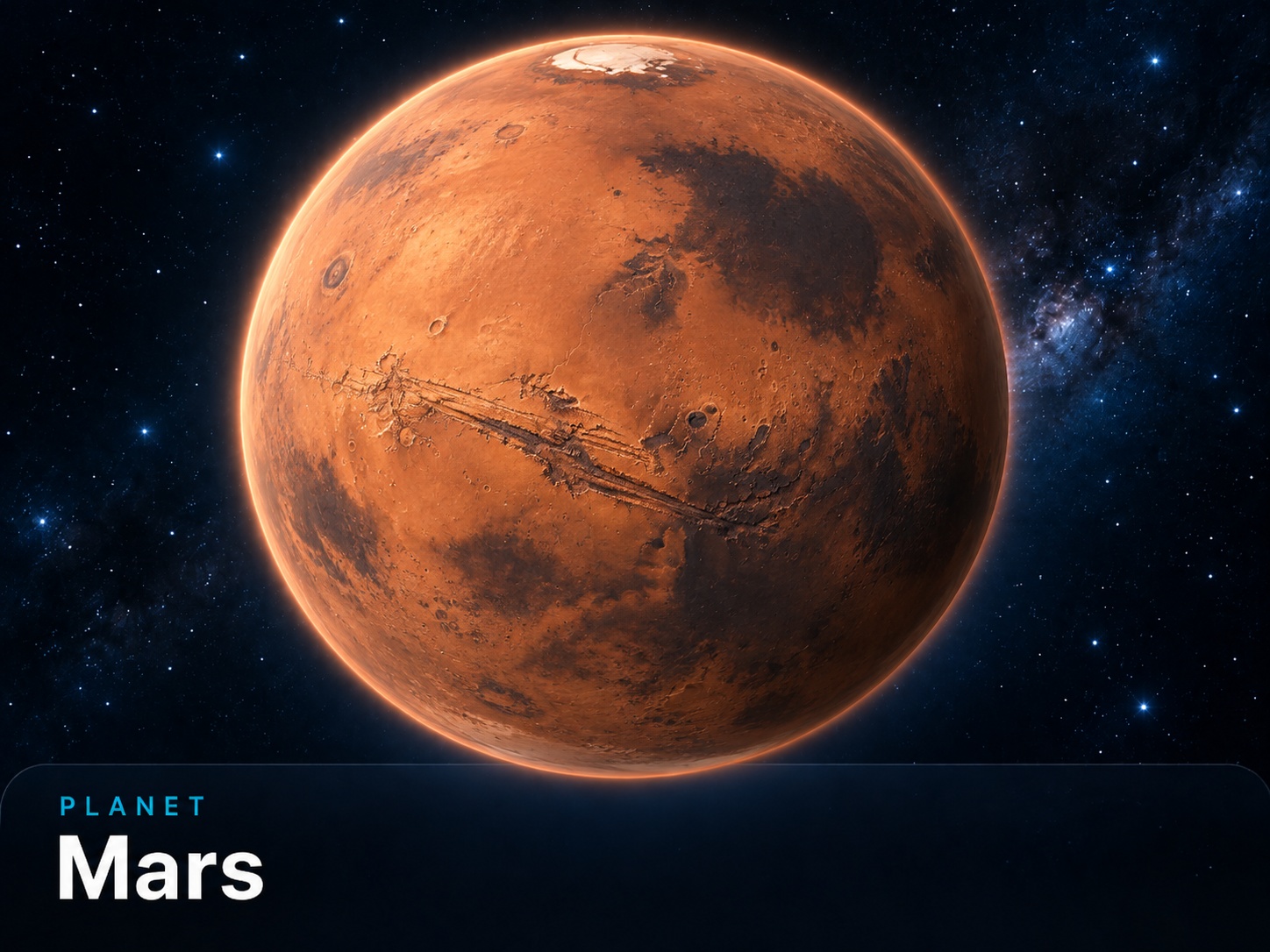
Mars
Learn how Mars connects public interest, mission planning, launch windows, and robotic exploration.
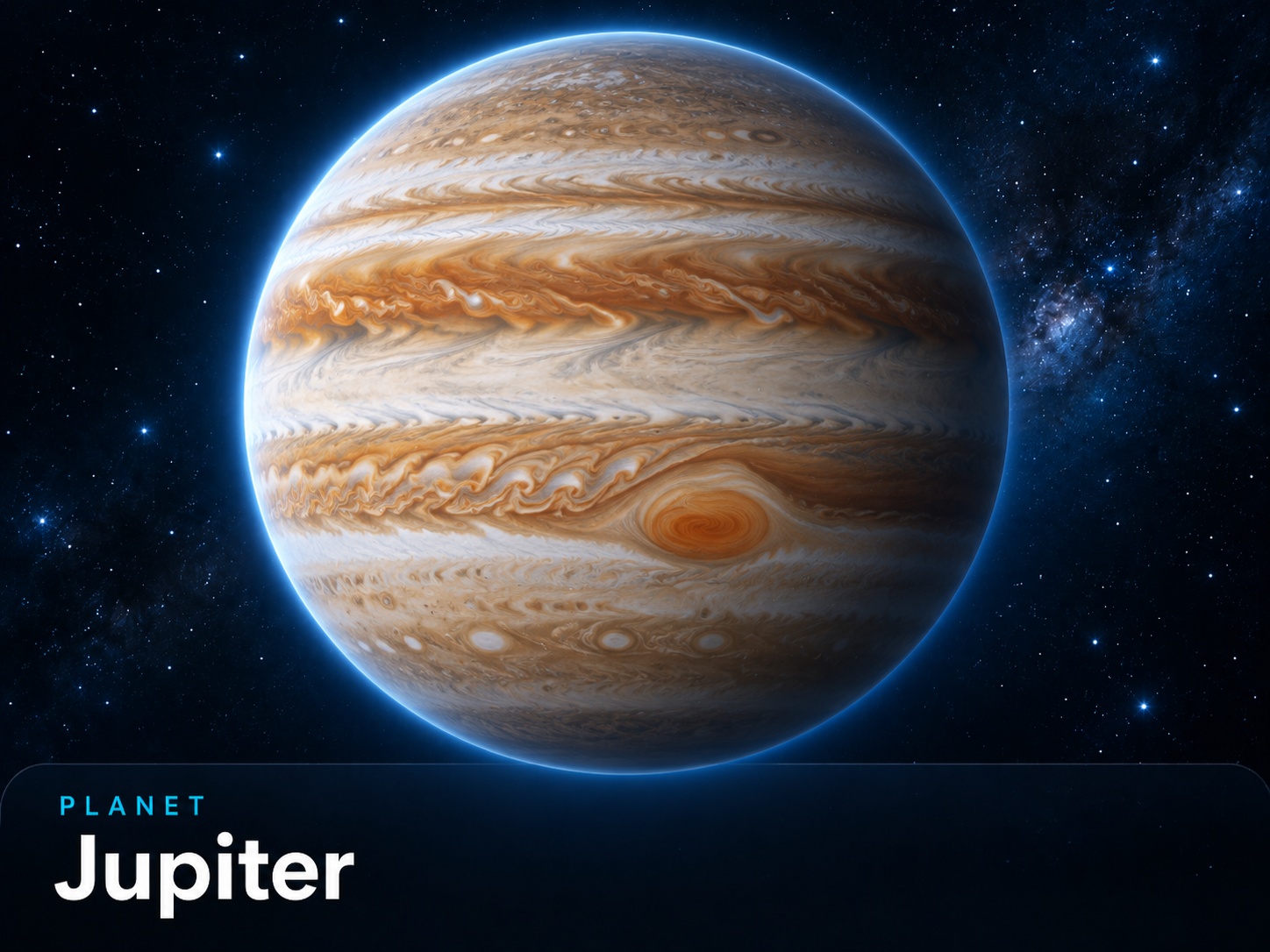
Planet
Jupiter
Learn how Jupiter helps explain scale, gravity, orbital speed, and the outer Solar System.
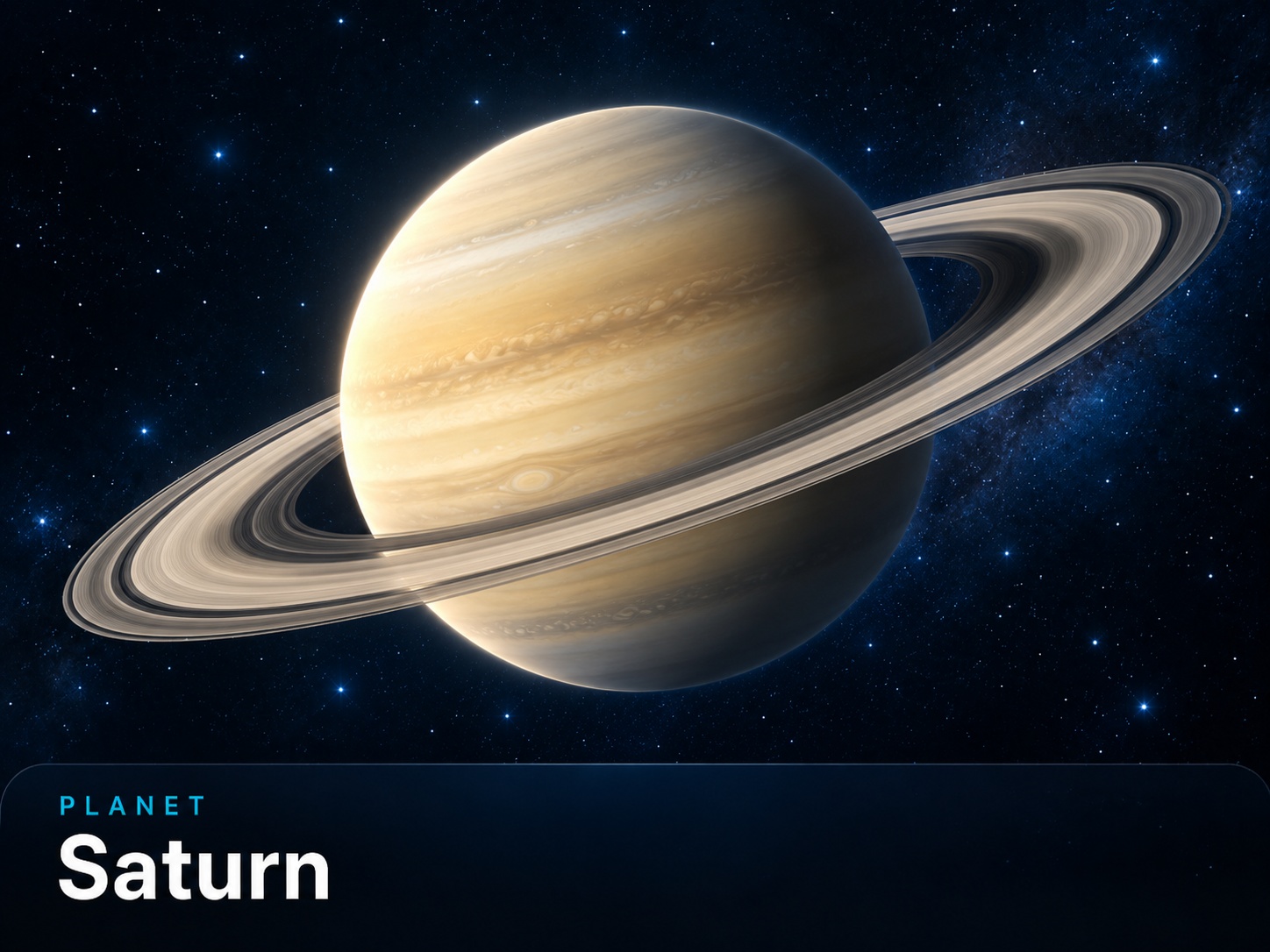
Planet
Saturn
Learn how Saturn connects ring systems, moons, gas giants, orbital motion, and the scale of the outer Solar System.
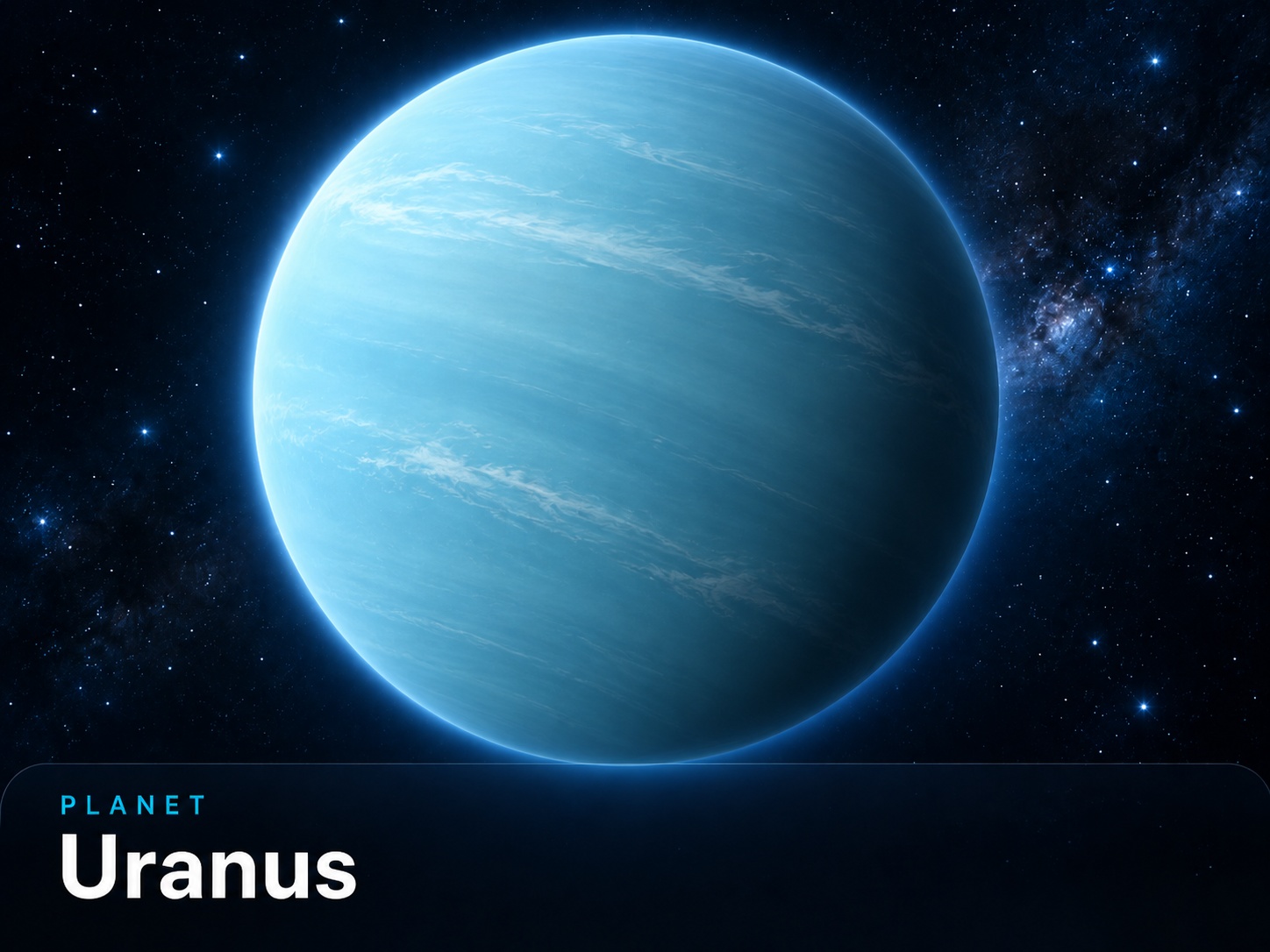
Planet
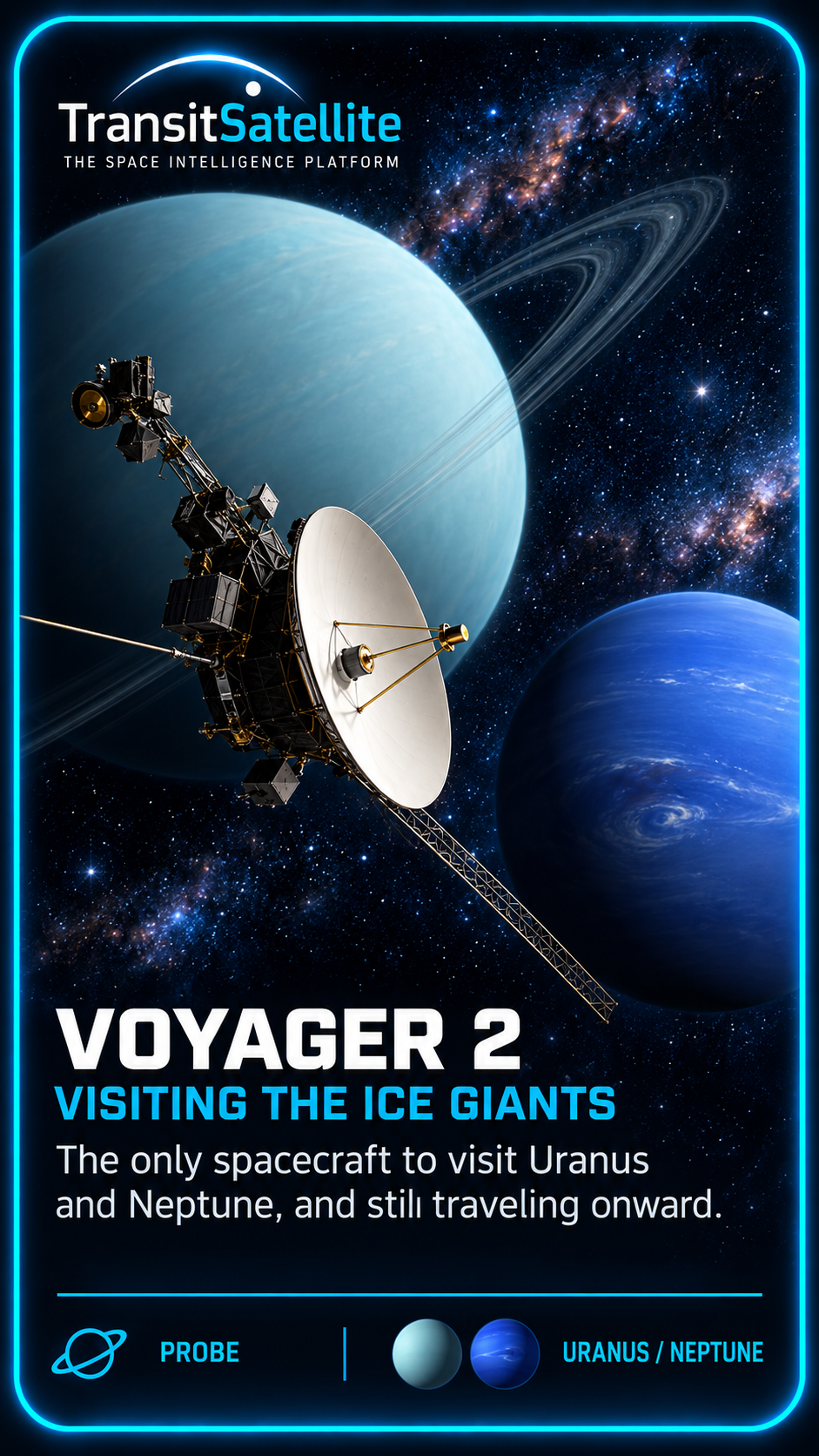
Uranus
Learn how Uranus connects planetary tilt, rotation, ice giants, and the distant outer Solar System.
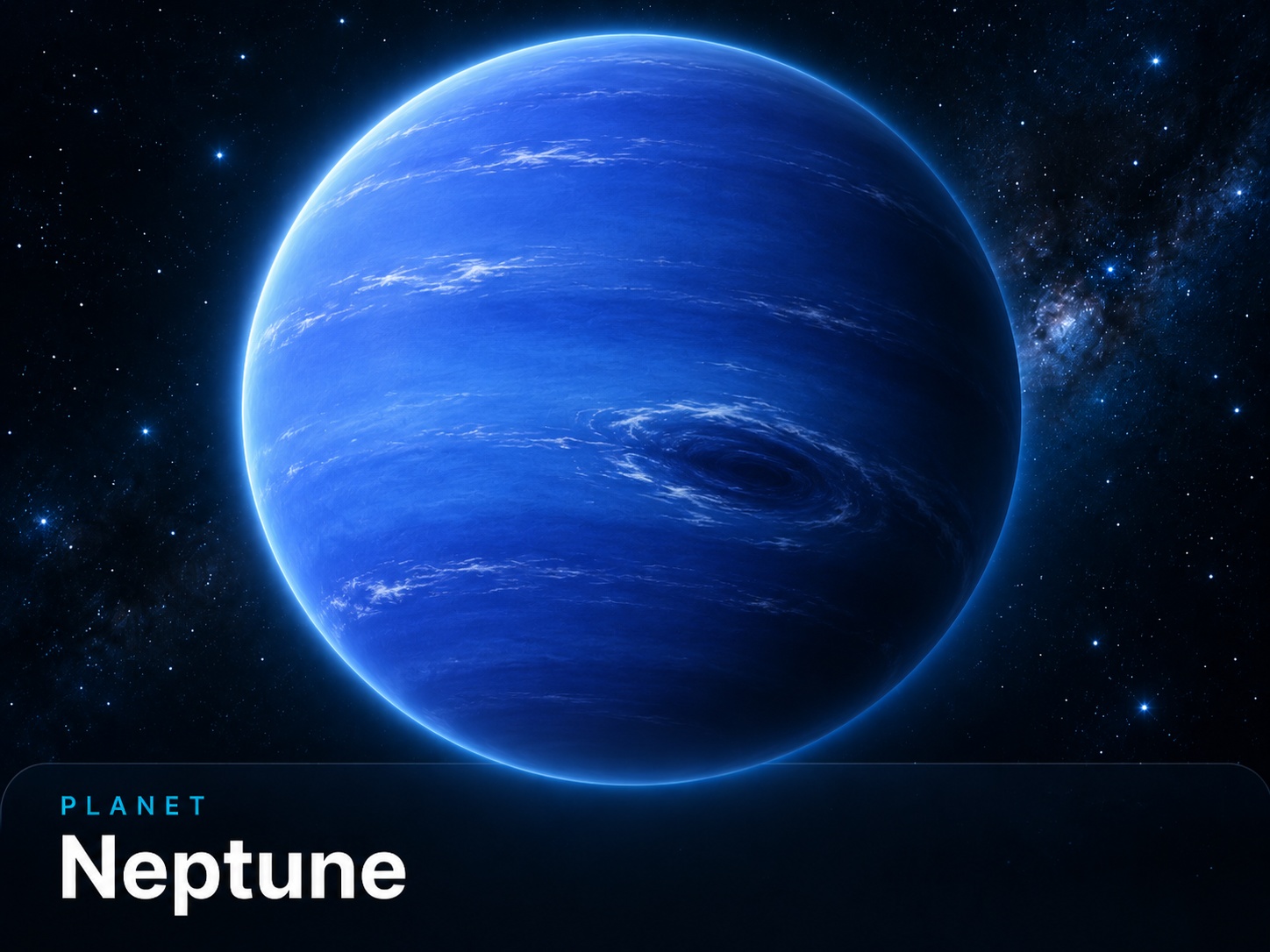
Planet
Neptune
Learn how Neptune connects distance, orbital periods, ice giants, outer-planet exploration, and the scale of the Solar System.
Historical Figures
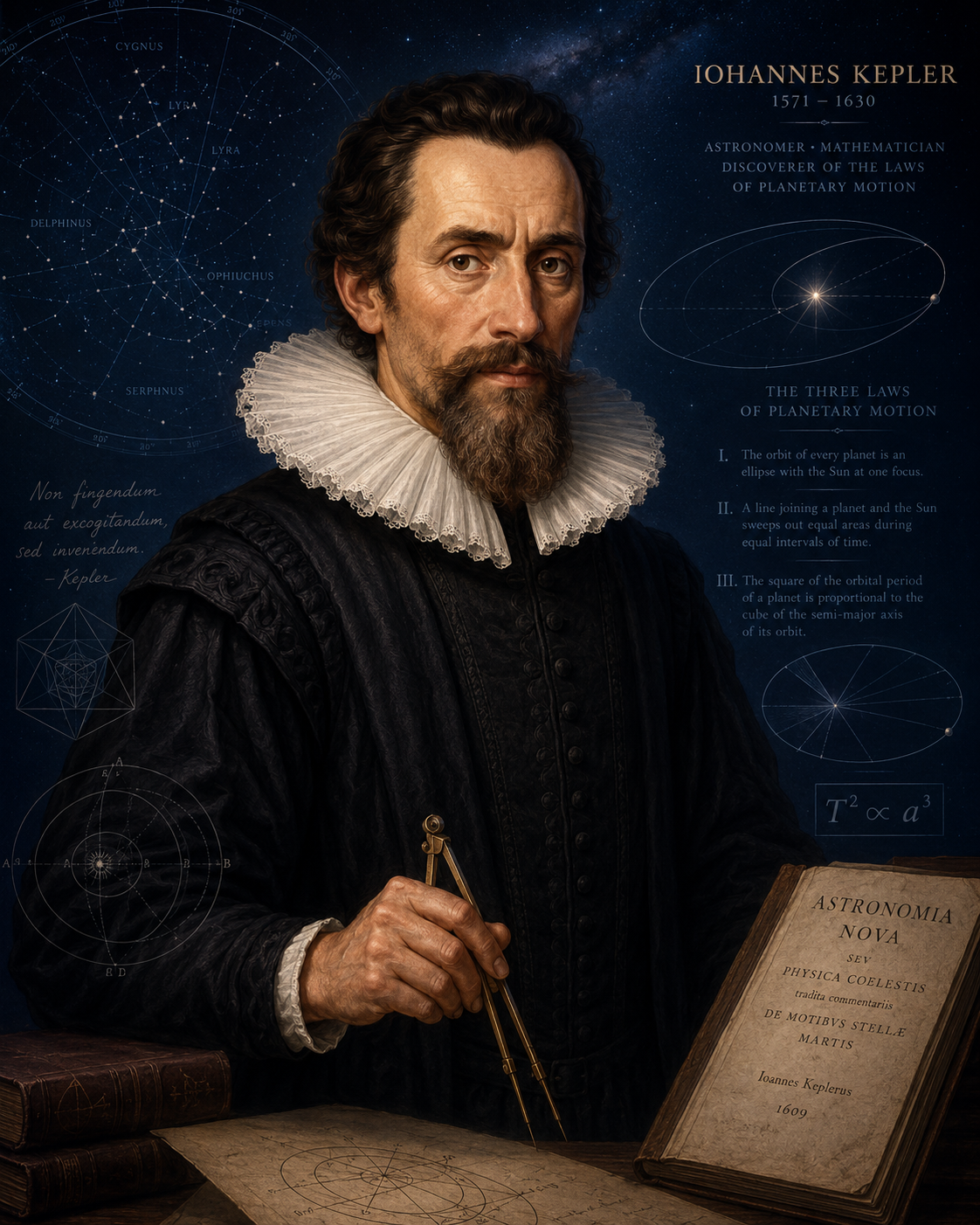
Historical Figures
Johannes Kepler
Explore Johannes Kepler, the laws of planetary motion, and how his work connects planetary orbits with the paths followed by modern satellites and spacecraft.
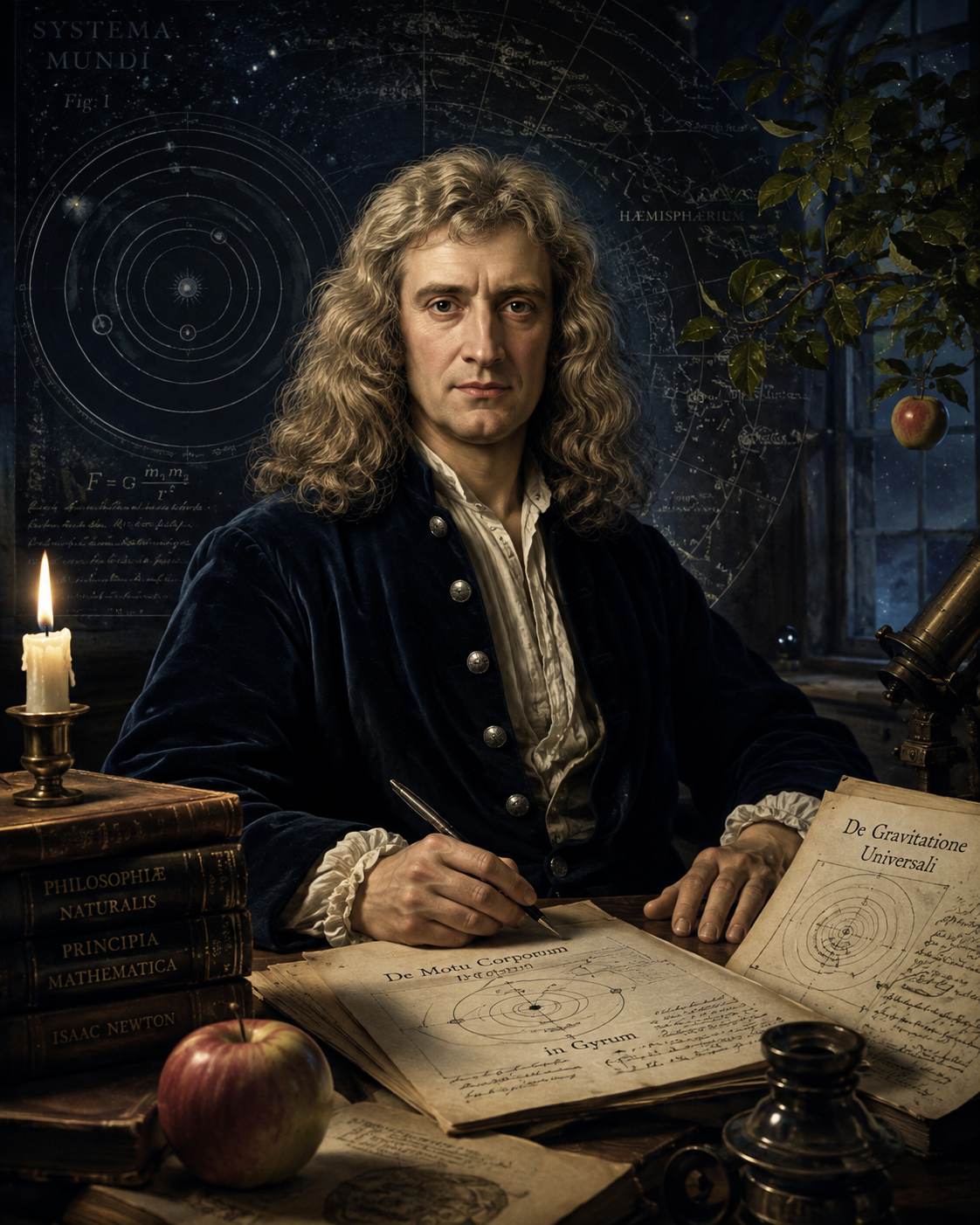
Historical Figures
Isaac Newton
Explore Isaac Newton, gravity, motion, and how his ideas help explain planets, moons, spacecraft, and satellite orbits.
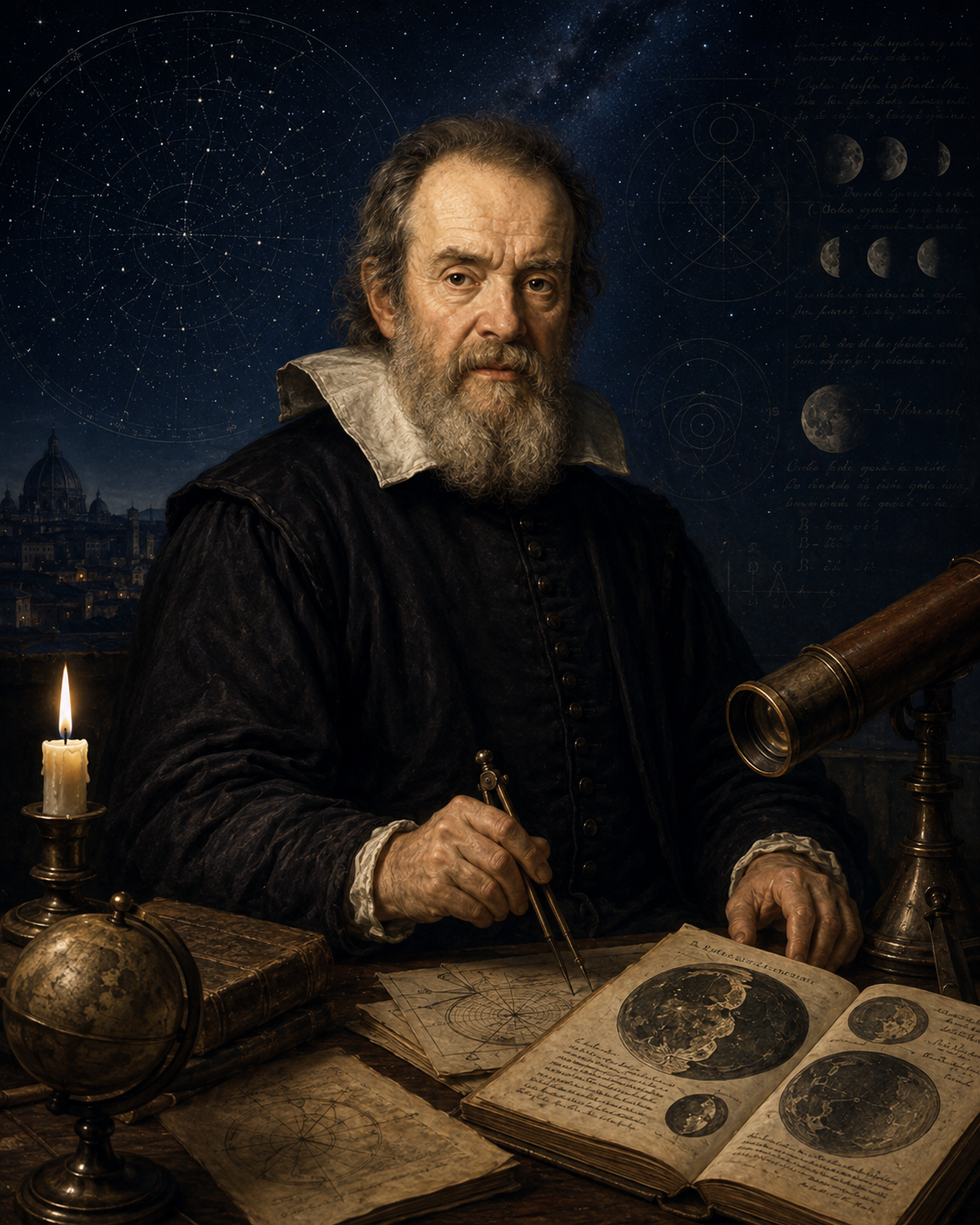
Historical Figures
Galileo Galilei
Explore Galileo's observations of Jupiter, its major moons, Venus, the Moon, and the Sun and connect his discoveries to the TransitSatellite Solar System.
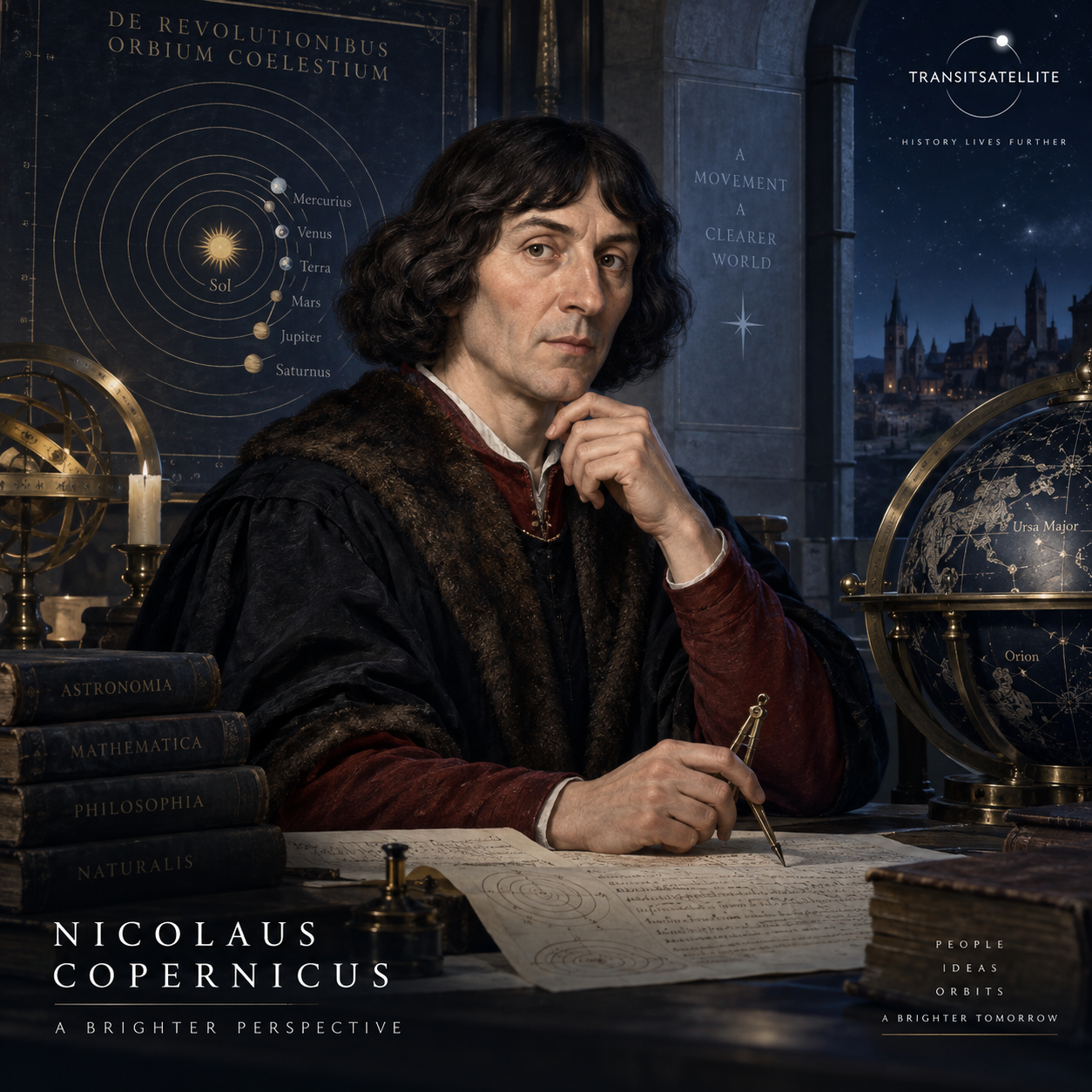
Historical Figures
Nicolaus Copernicus
Explore Nicolaus Copernicus, the heliocentric Solar System, Earth's motion around the Sun, and NASA's OAO 3 Copernicus astronomy satellite.
Historical Figures
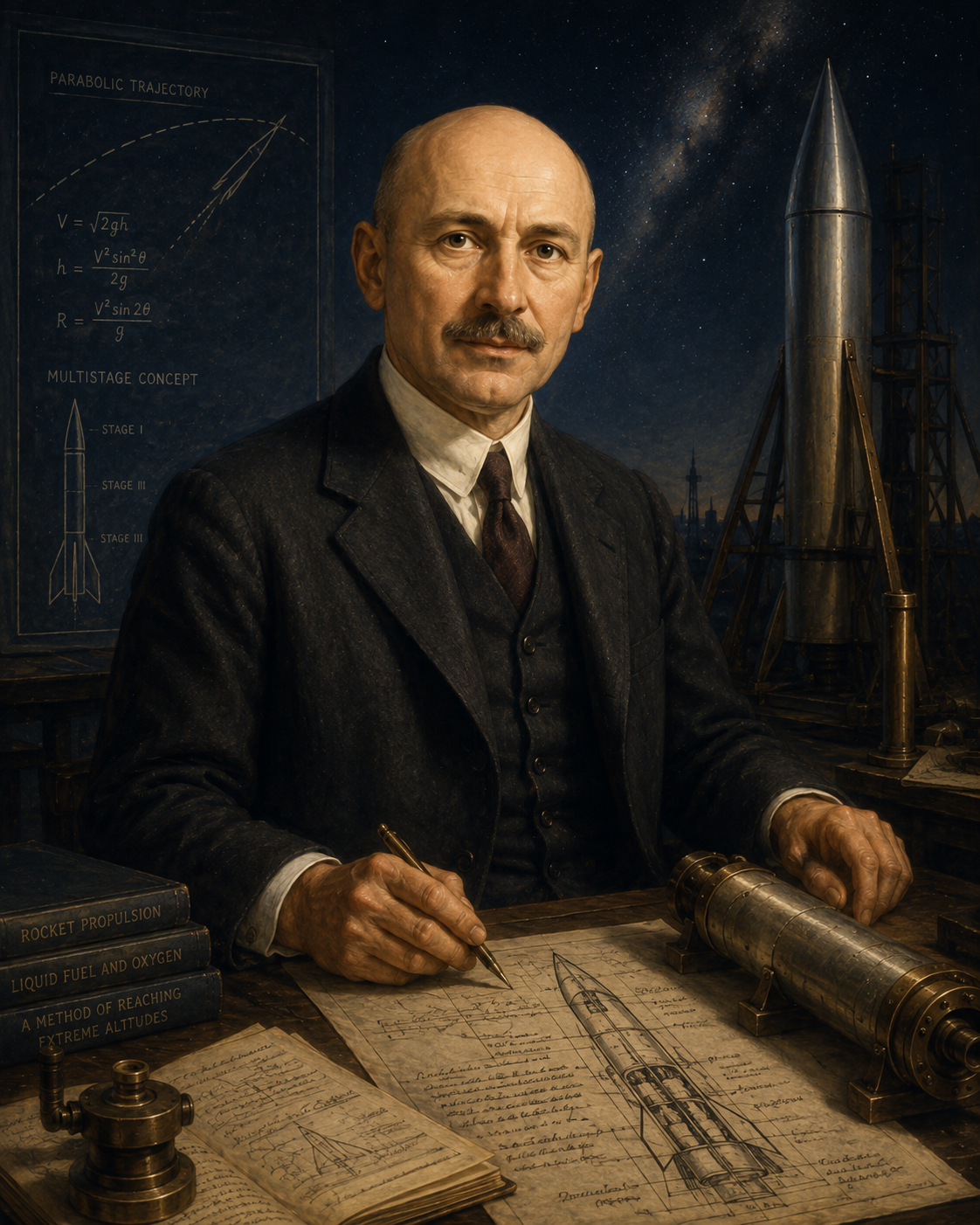
Robert Goddard
Explore Robert Goddard, early liquid-fueled rocketry, and how rocket engineering connects directly to satellites, launches, and spaceflight.
Historical Figures
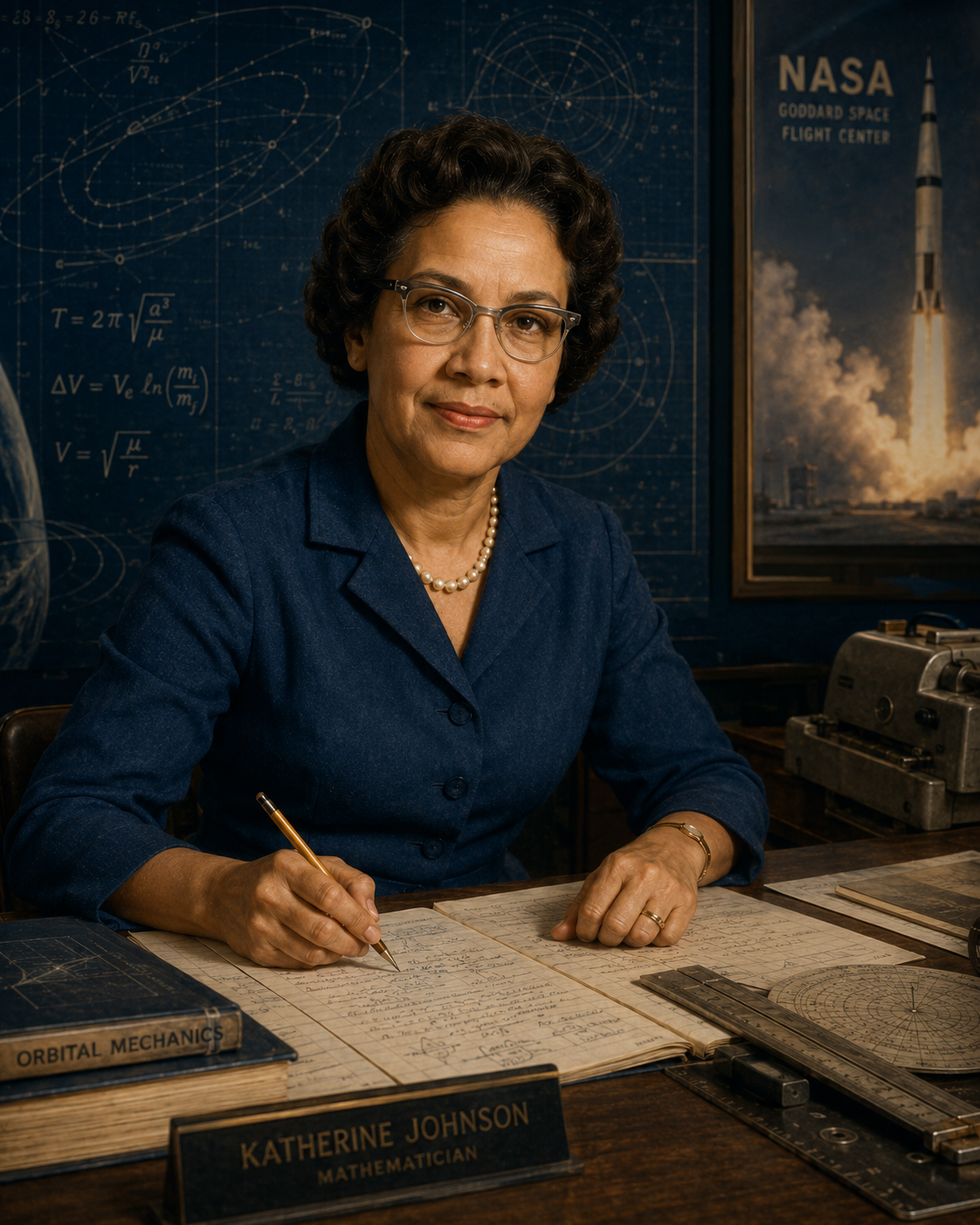
Katherine Johnson
Explore Katherine Johnson's work in trajectory mathematics and how accurate calculations connect spacecraft paths, orbital prediction, and mission planning.
Historical Figures
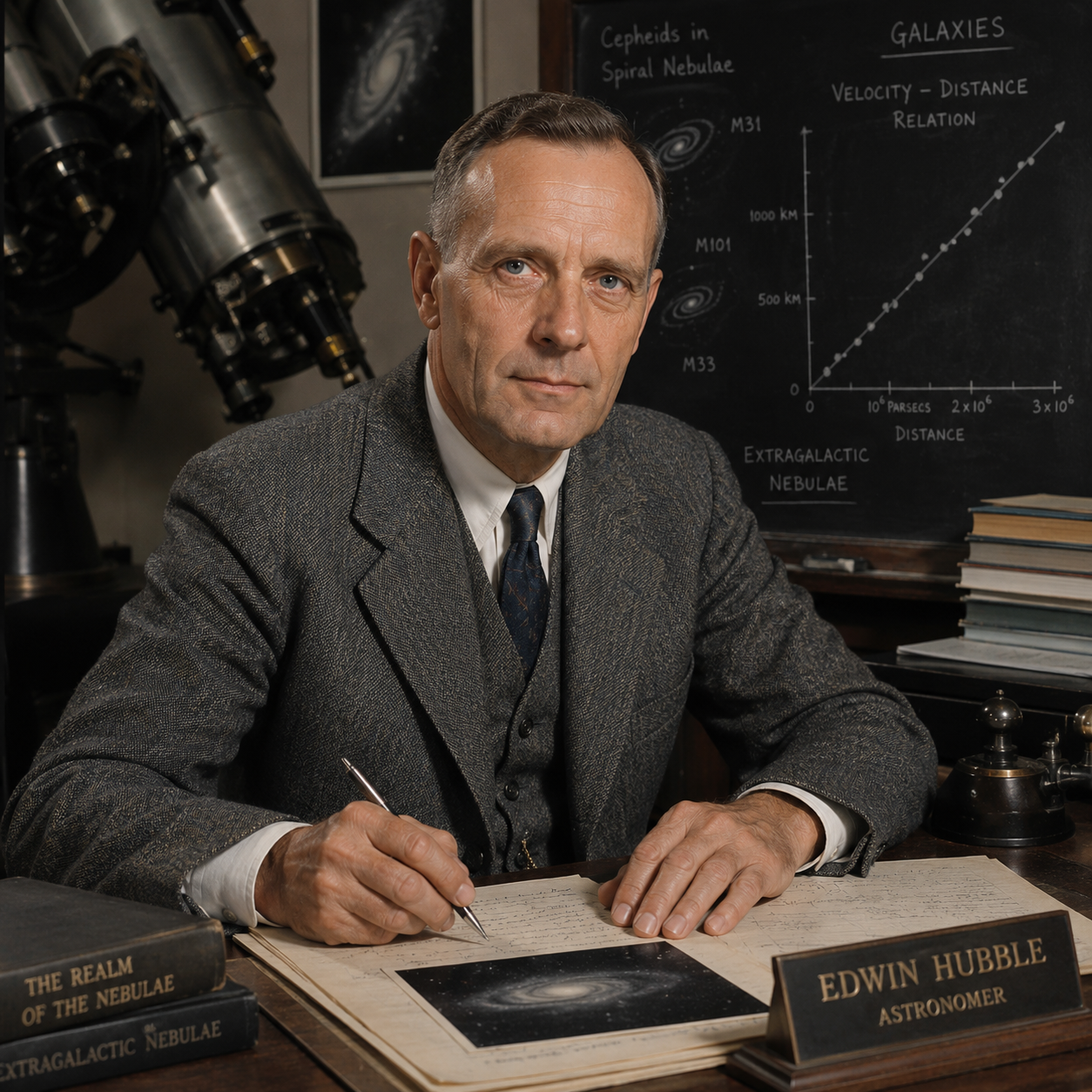
Edwin Hubble
Explore Edwin Hubble, galaxies, deep-space astronomy, the Hubble Space Telescope, and the observatories that continue studying the universe.
Historical Figures
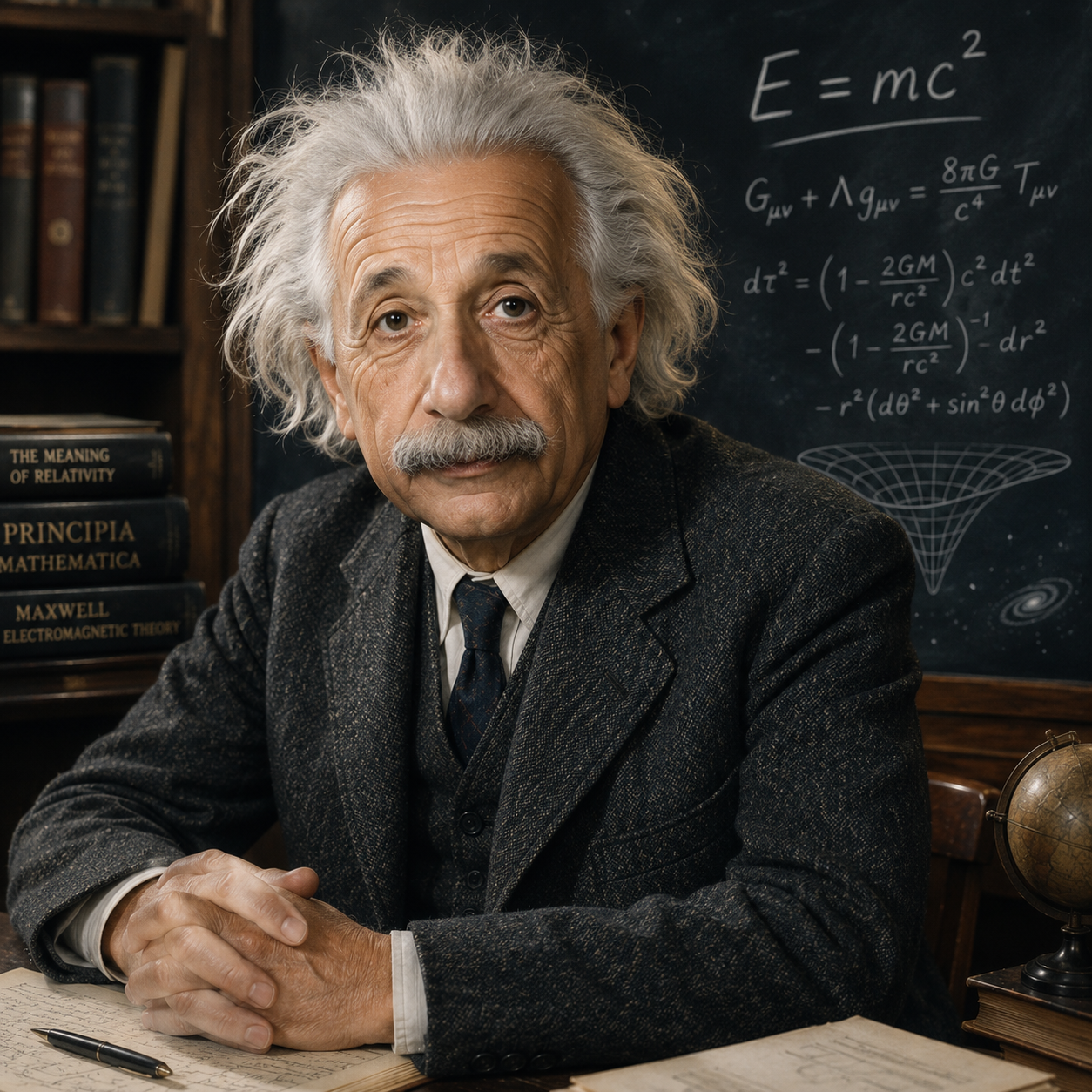
Albert Einstein
Explore Albert Einstein, relativity, gravity, time, and how precision satellite navigation depends on physics that goes beyond ordinary motion.
Historical Figures
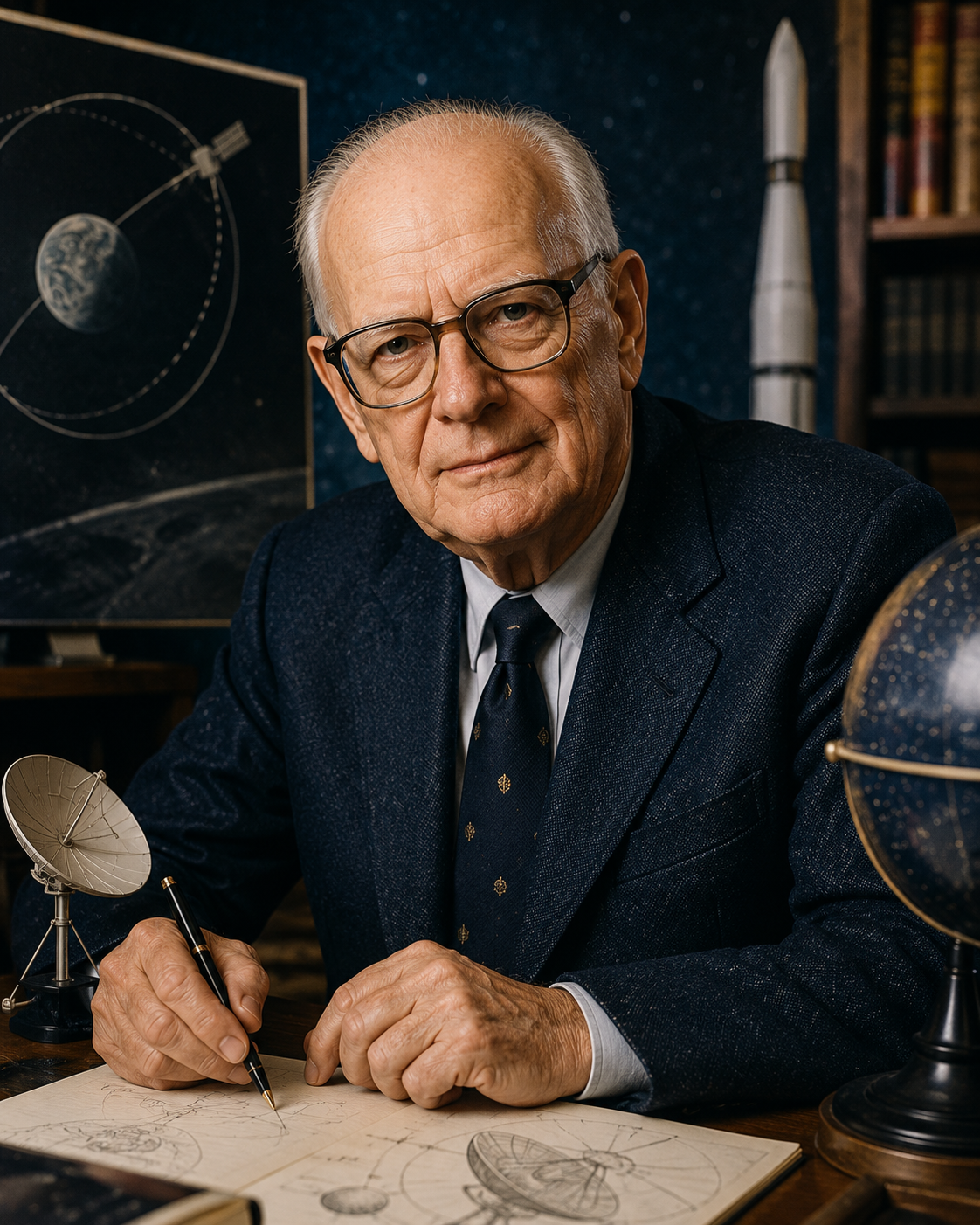
Arthur C. Clarke
Explore Arthur C. Clarke's connection to communications satellites, geostationary orbit, and the idea of using space infrastructure to connect Earth.
Historical Figures
John F. Kennedy
Explore John F. Kennedy's Moon goal and how it connects to Apollo, Saturn V, launch technology, and the Moon.
Historical Figures
Wernher von Braun
Explore Wernher von Braun's role in rocket engineering, Saturn V, Apollo, and the complicated history surrounding his earlier work in Germany.
Historical Figures
Konstantin Tsiolkovsky
Explore Tsiolkovsky's rocket equation and how launch velocity, fuel, and mass connect to putting spacecraft into orbit.
Historical Figures
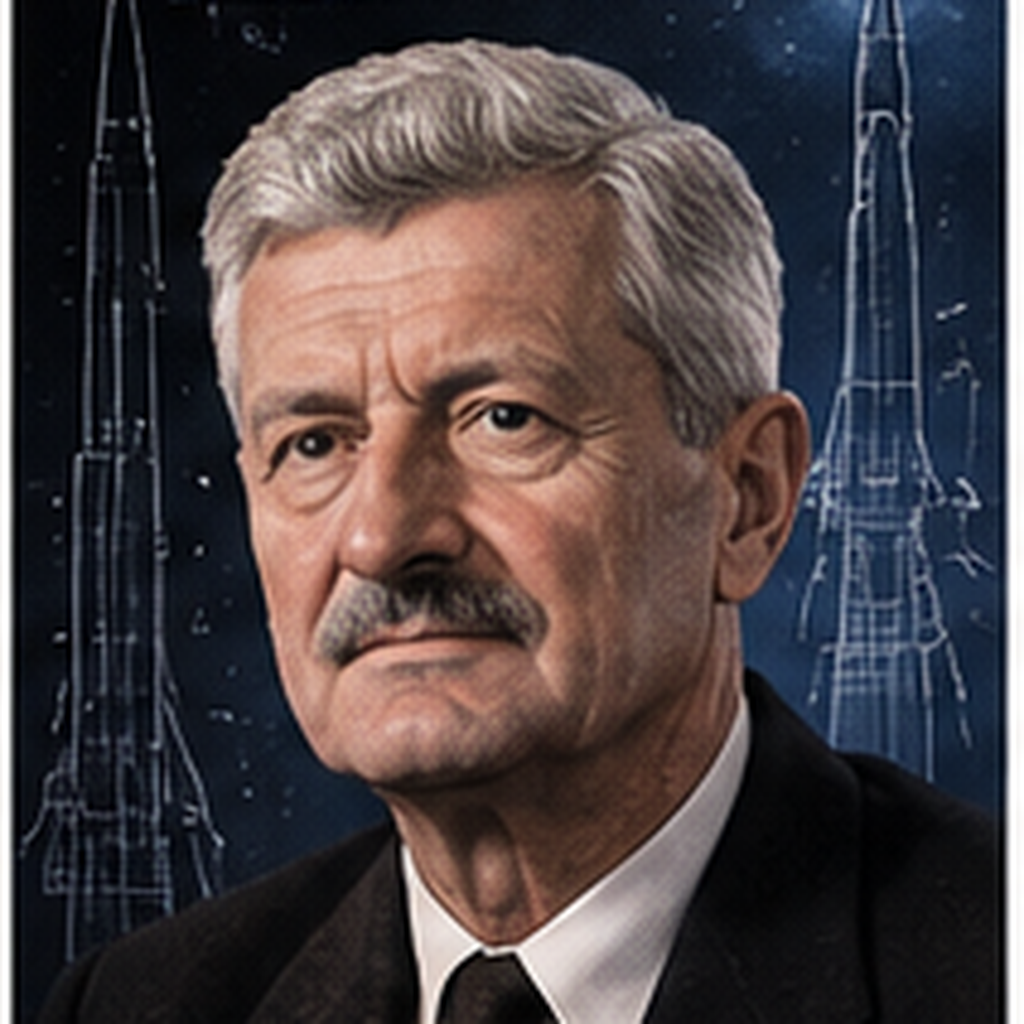
Hermann Oberth
Explore Hermann Oberth's role in early rocket science and how his work connects to launch vehicles, orbital flight, and later space programs.
Historical Figures
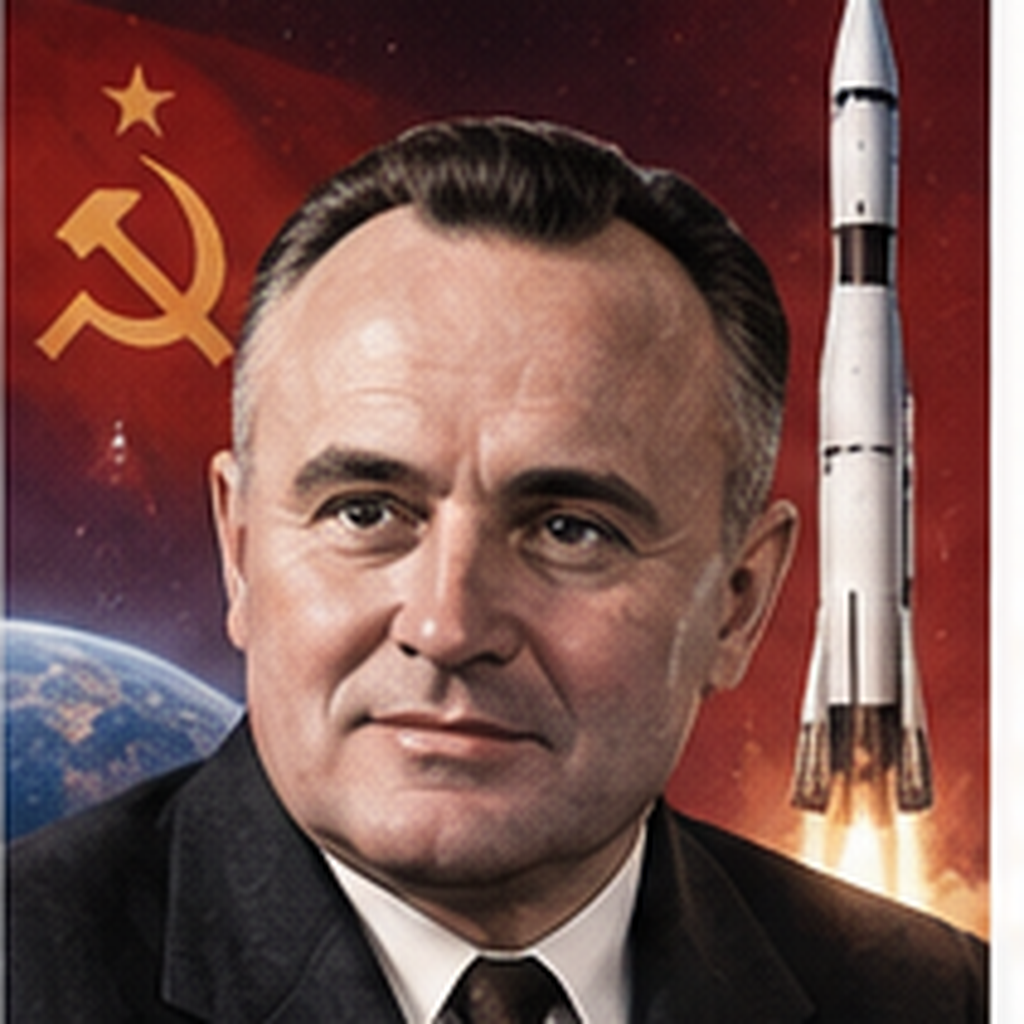
Sergei Korolev
Explore Sergei Korolev's role in Sputnik, Vostok, launch engineering, and the opening years of the Space Age.
Historical Figures
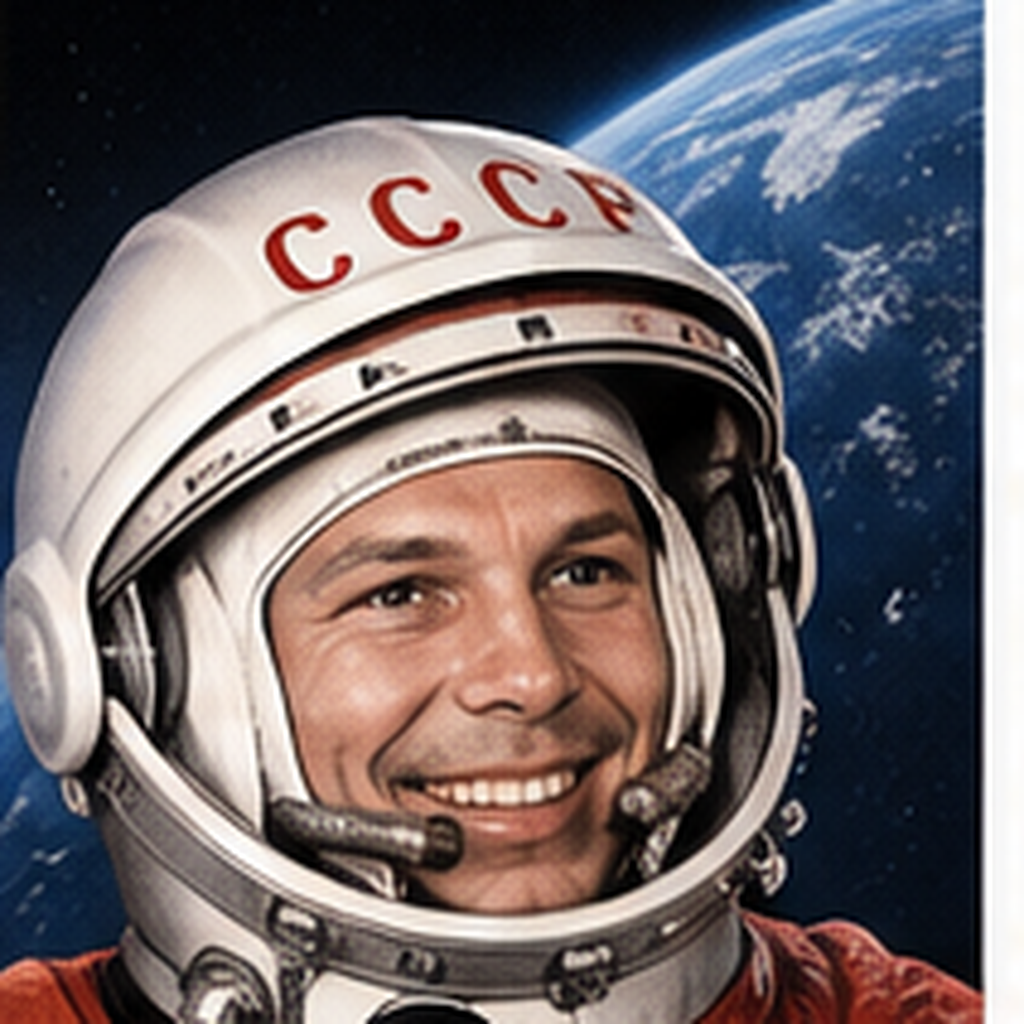
Yuri Gagarin
Explore Yuri Gagarin, Vostok 1, and the first human orbital flight around Earth.
Historical Figures
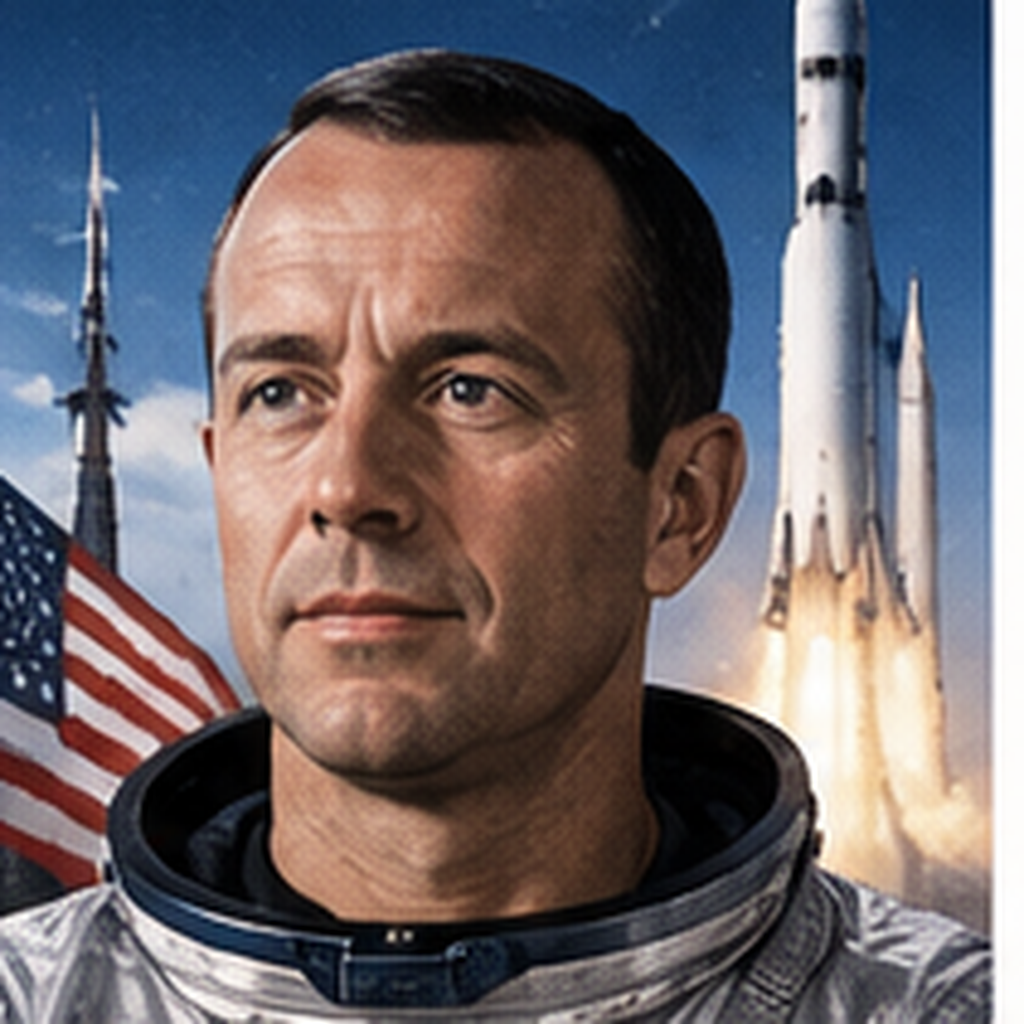
Alan Shepard
Explore Alan Shepard's Freedom 7 flight, Apollo 14, and the path from early human spaceflight to the Moon.
Historical Figures
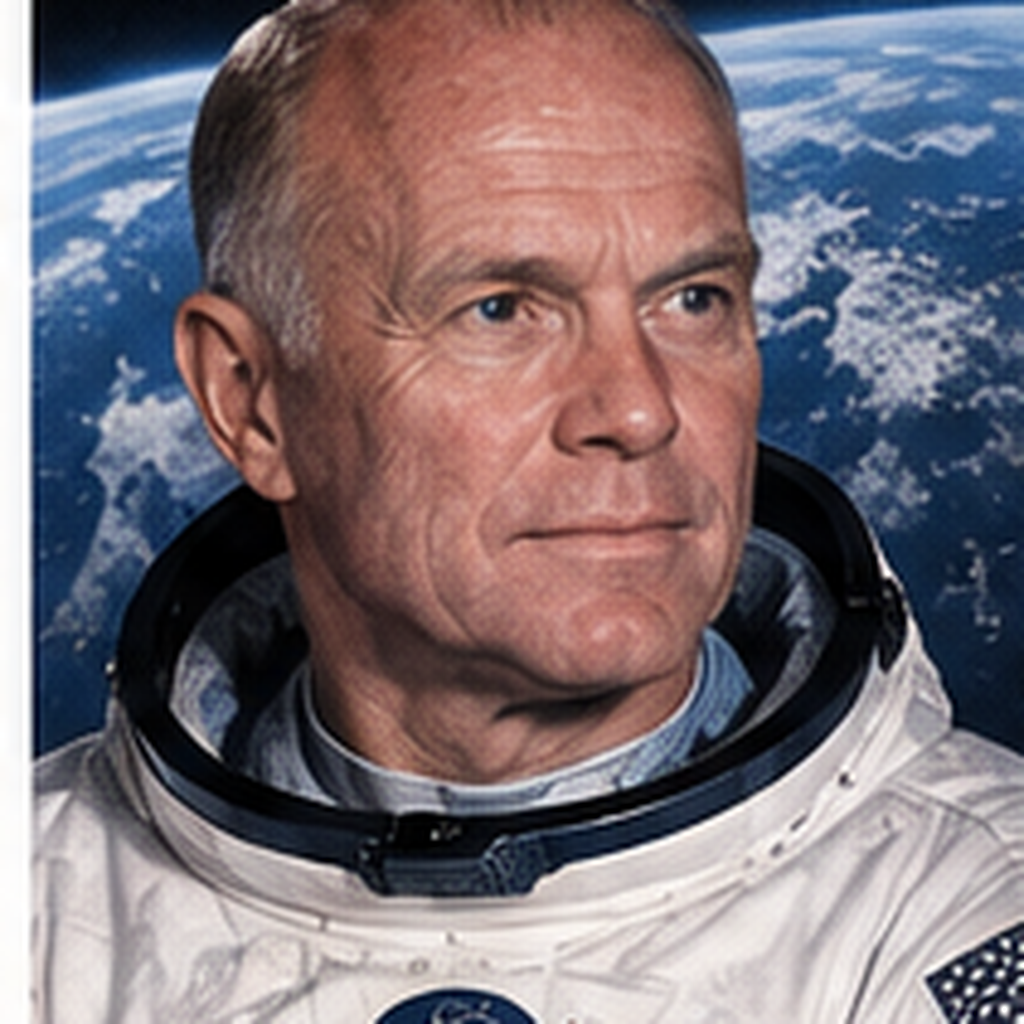
John Glenn
Explore John Glenn's orbital mission, Friendship 7, and its connections to Katherine Johnson, Earth orbit, and trajectory prediction.
Historical Figures
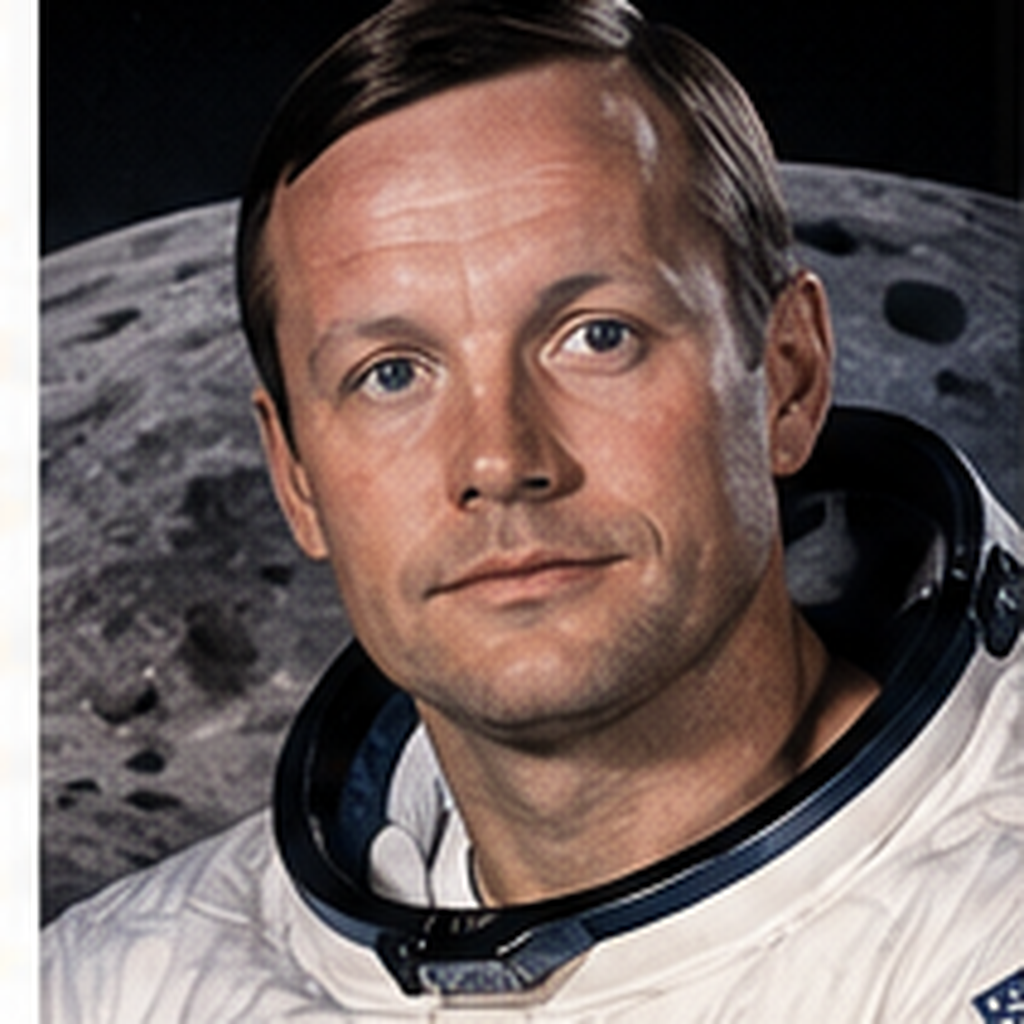
Neil Armstrong
Explore Neil Armstrong, Apollo 11, lunar landing, and the engineering path from Earth to the Moon.
Historical Figures
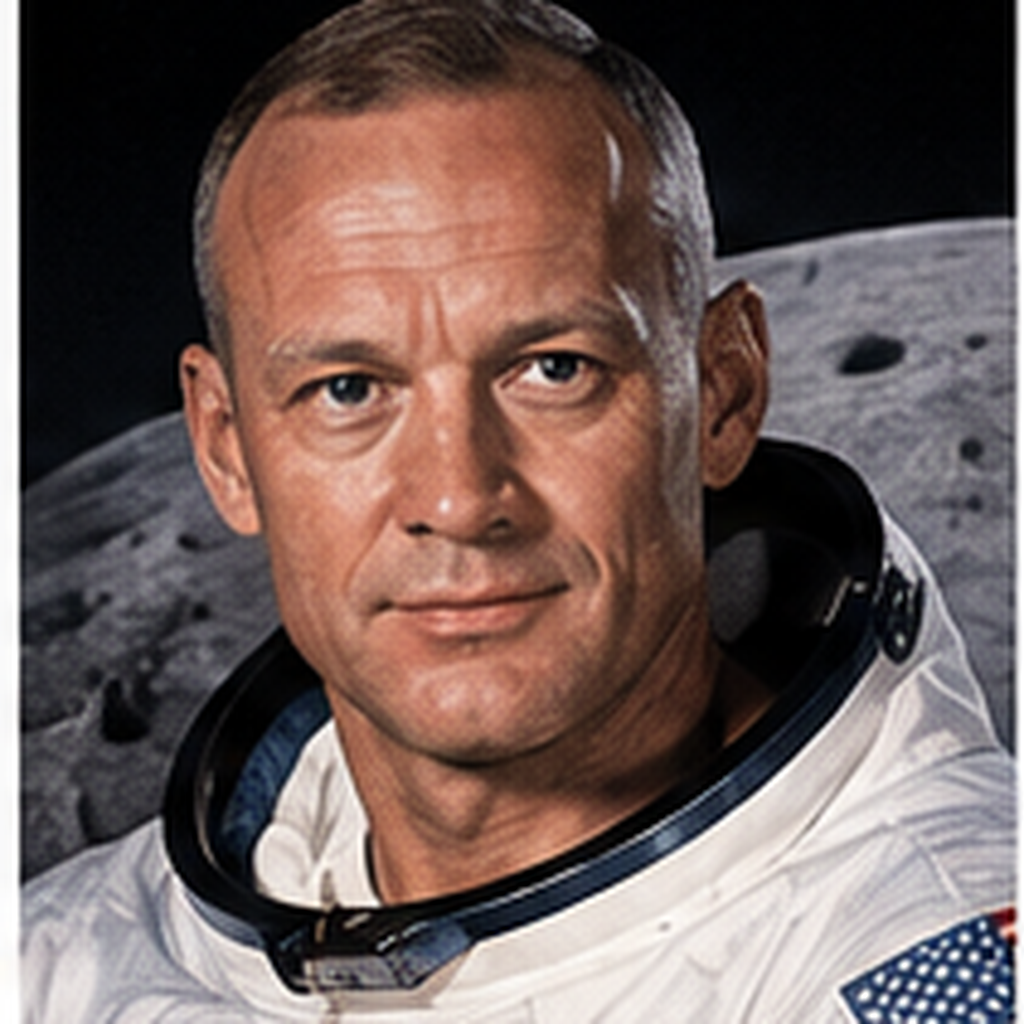
Buzz Aldrin
Explore Buzz Aldrin, Apollo 11, lunar orbit, and the mathematics of spacecraft rendezvous.
Historical Figures
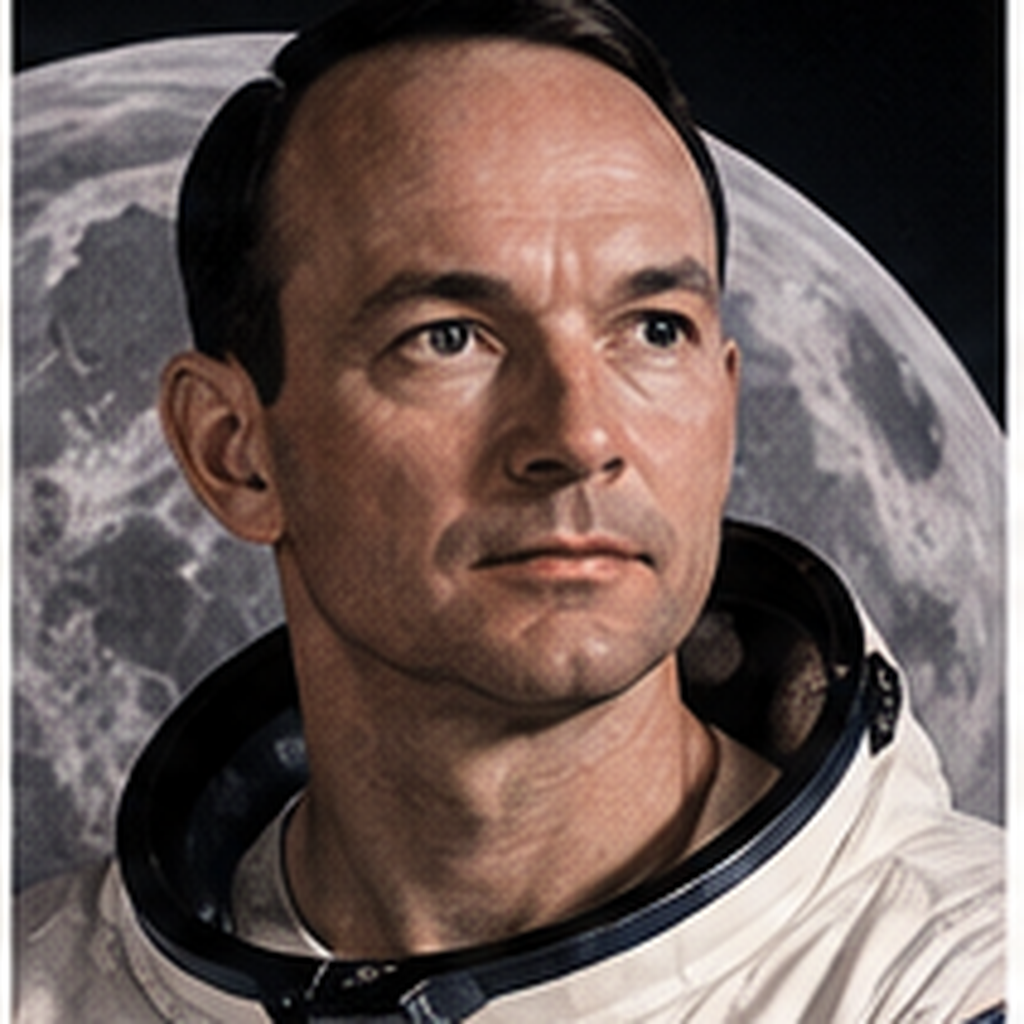
Michael Collins
Explore Michael Collins, Columbia, lunar orbit, and the rendezvous operations that made Apollo 11 possible.
Historical Figures
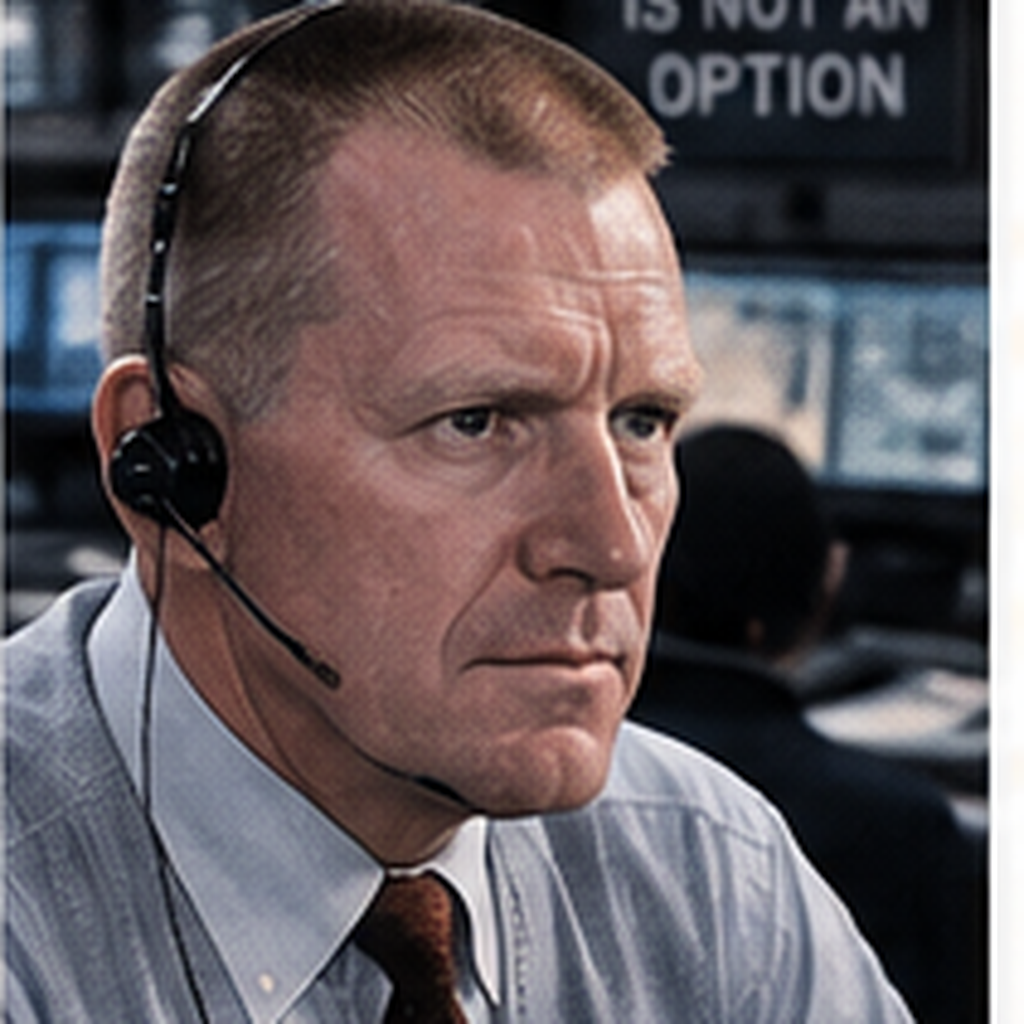
Gene Kranz
Explore Gene Kranz, Mission Control, Apollo operations, telemetry, and the human decision-making behind spaceflight.
Historical Figures
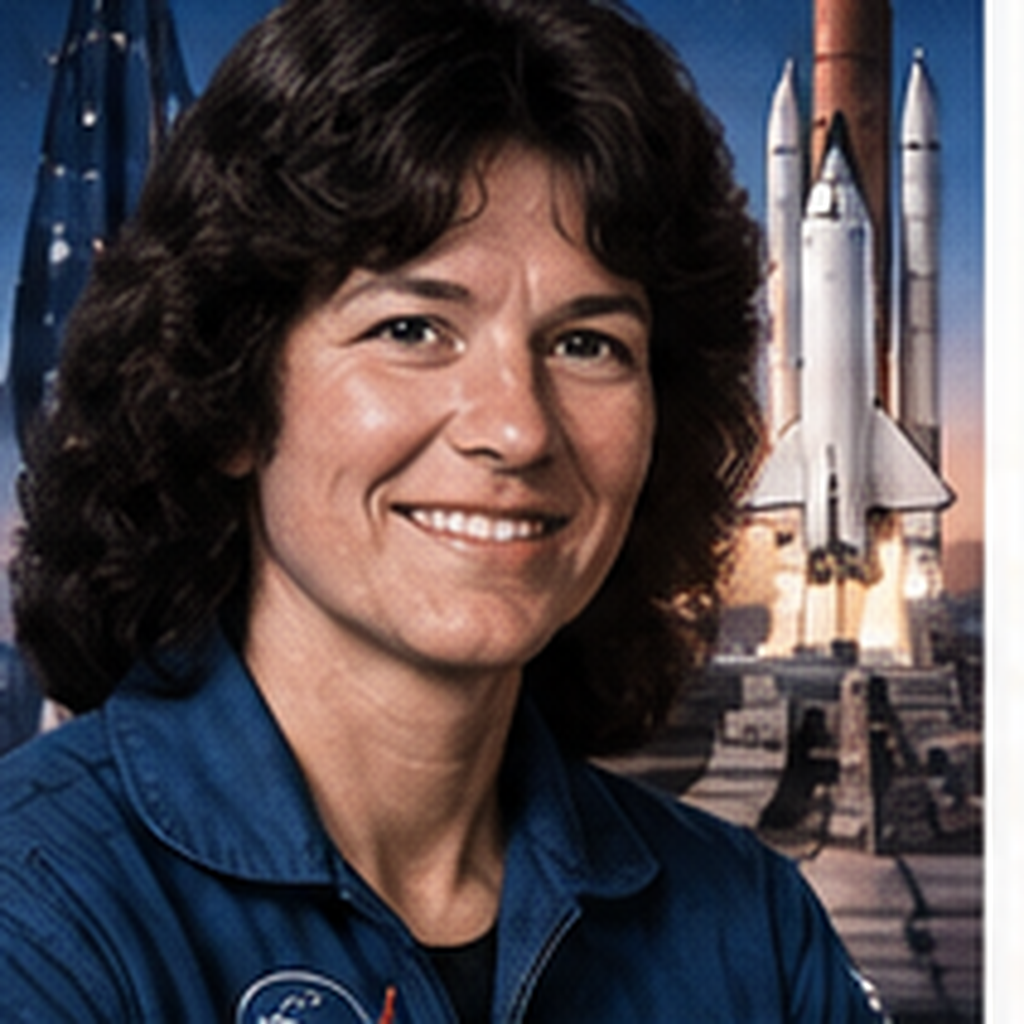
Sally Ride
Explore Sally Ride, the Space Shuttle era, orbital missions, and the connection between spaceflight and STEM education.
Historical Figures
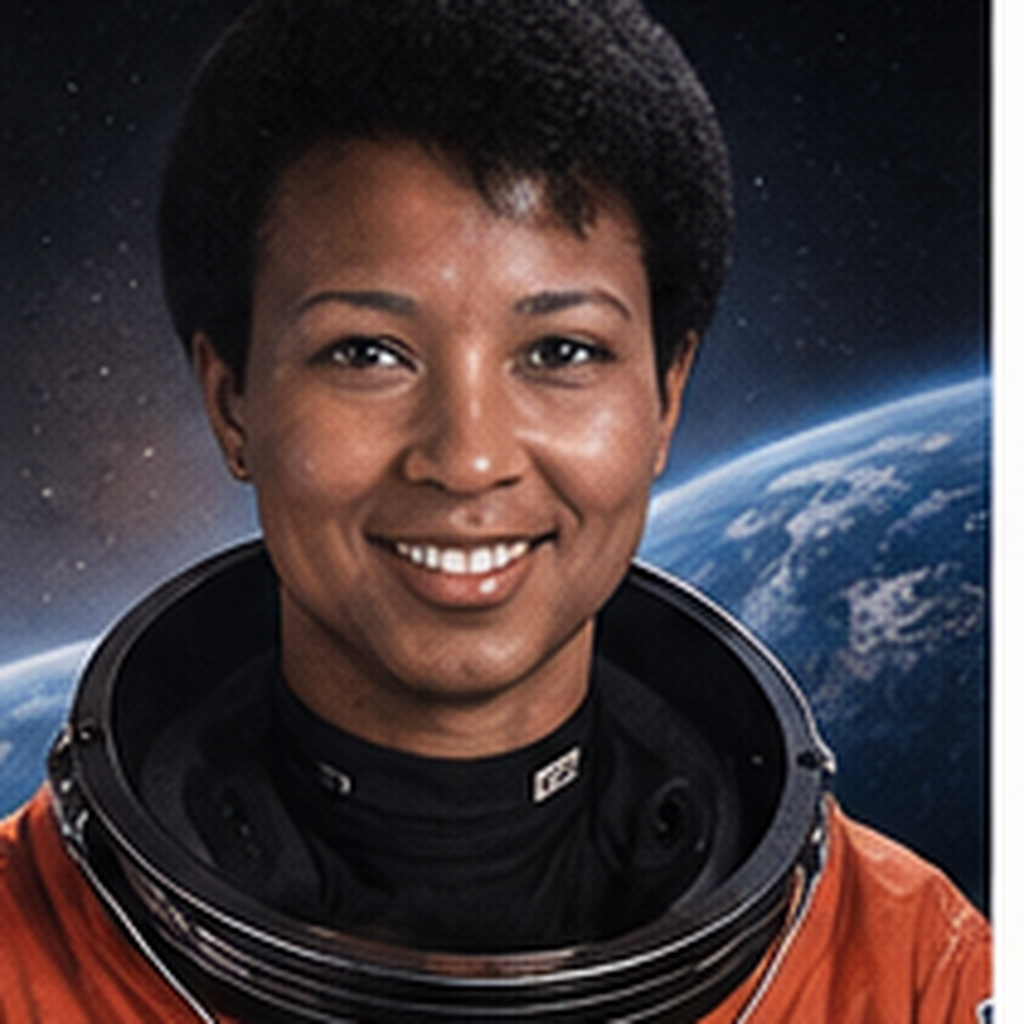
Mae Jemison
Explore Mae Jemison, the Space Shuttle, orbital science, and the role of multidisciplinary research in human spaceflight.
Historical Figures
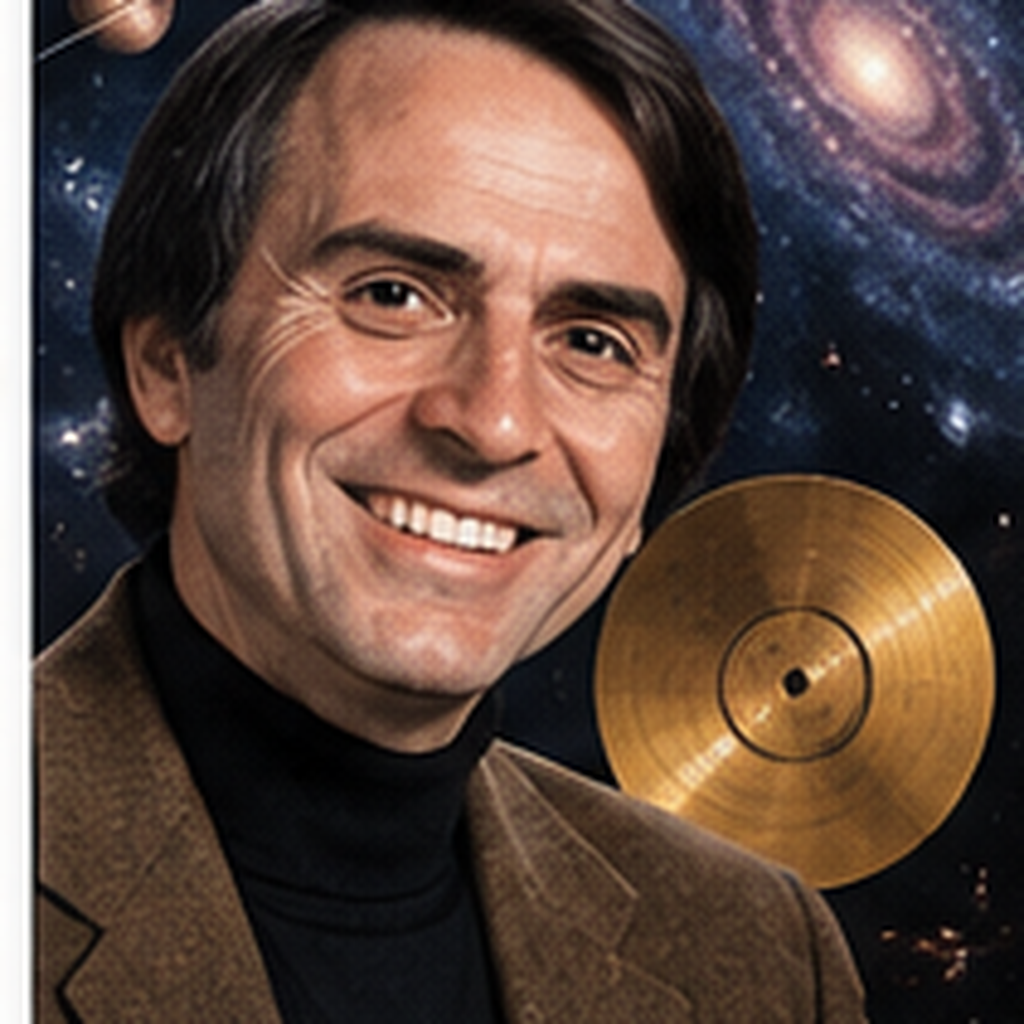
Carl Sagan
Explore Carl Sagan, Voyager, planetary science, and the connection between spacecraft data and public understanding of the Solar System.
Historical Figures
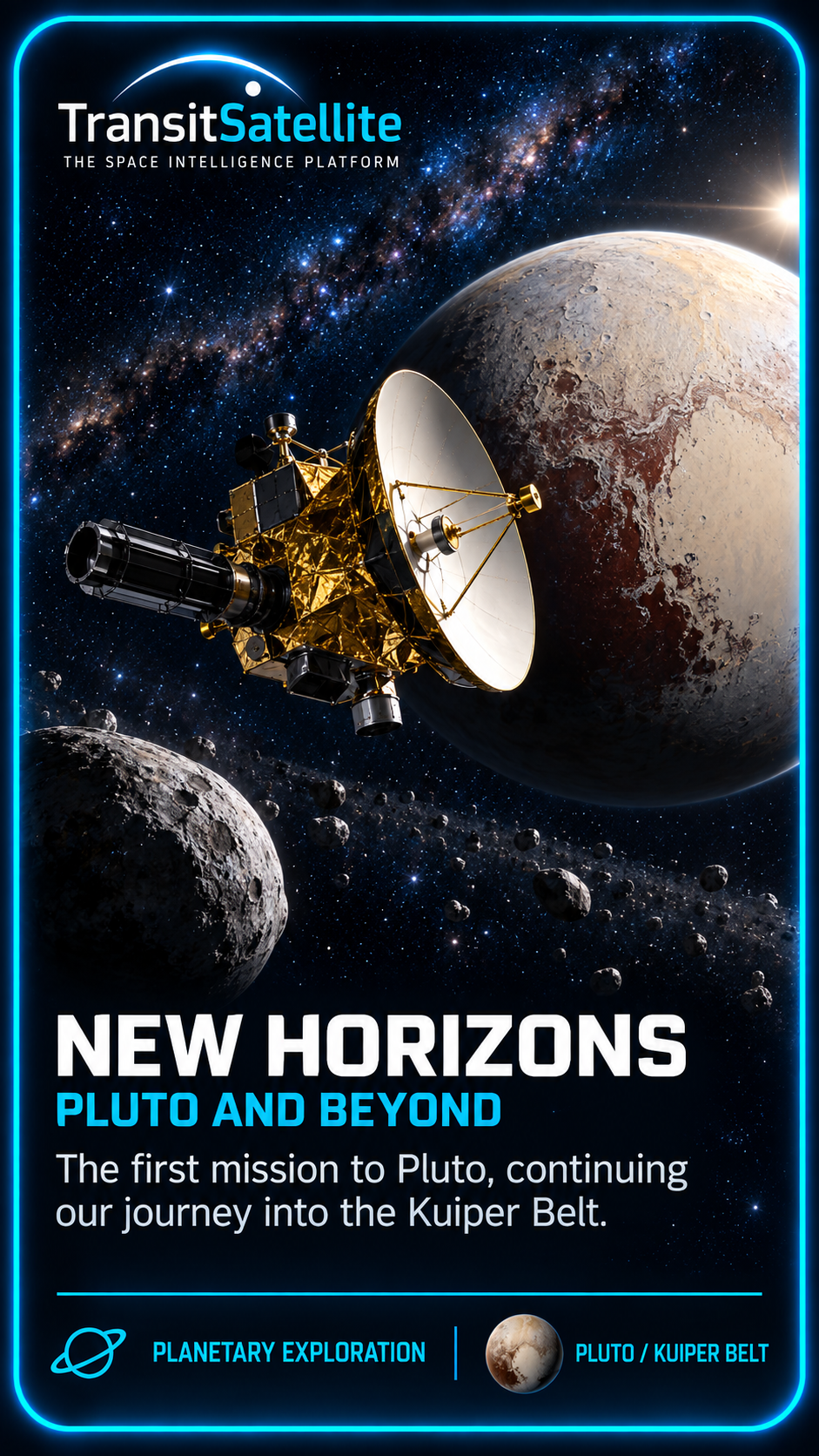
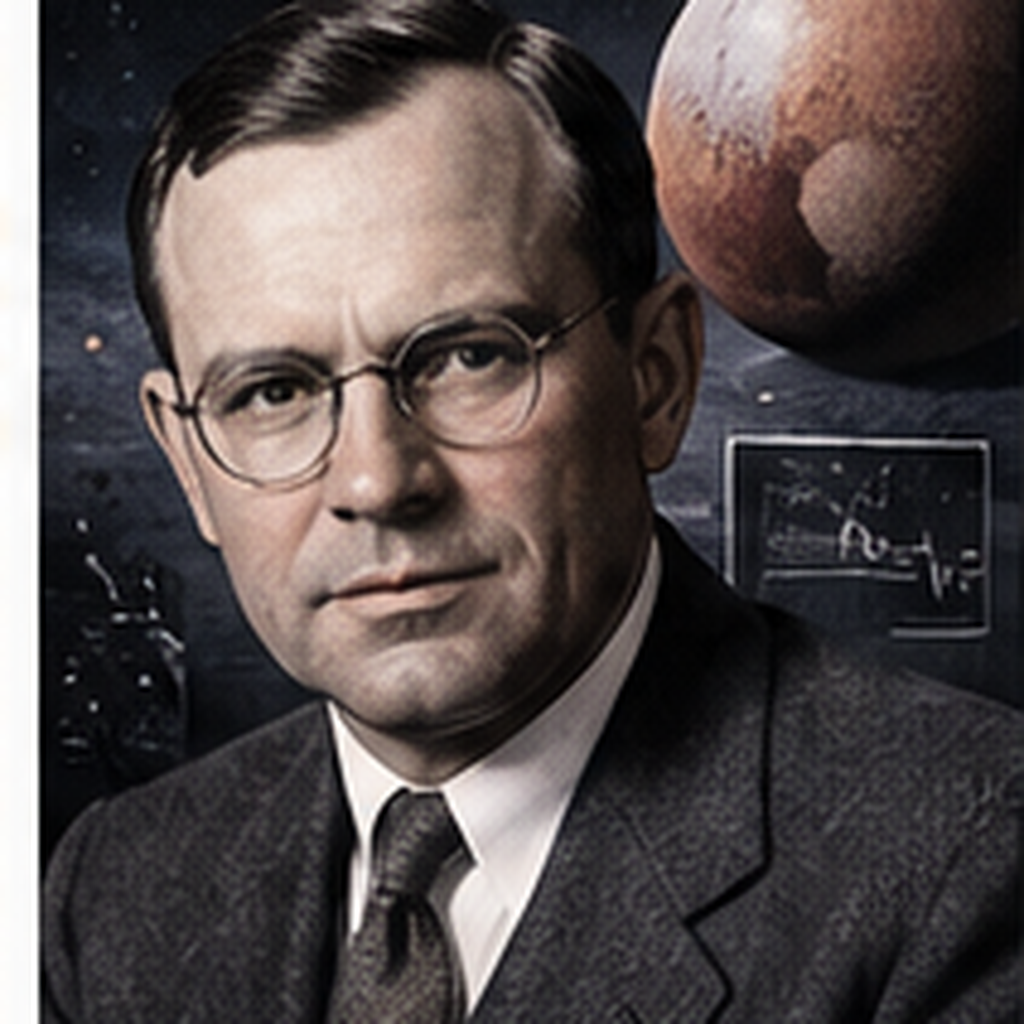
Clyde Tombaugh
Explore Clyde Tombaugh, Pluto, and New Horizons as one connected historical and spacecraft story.
Historical Figures
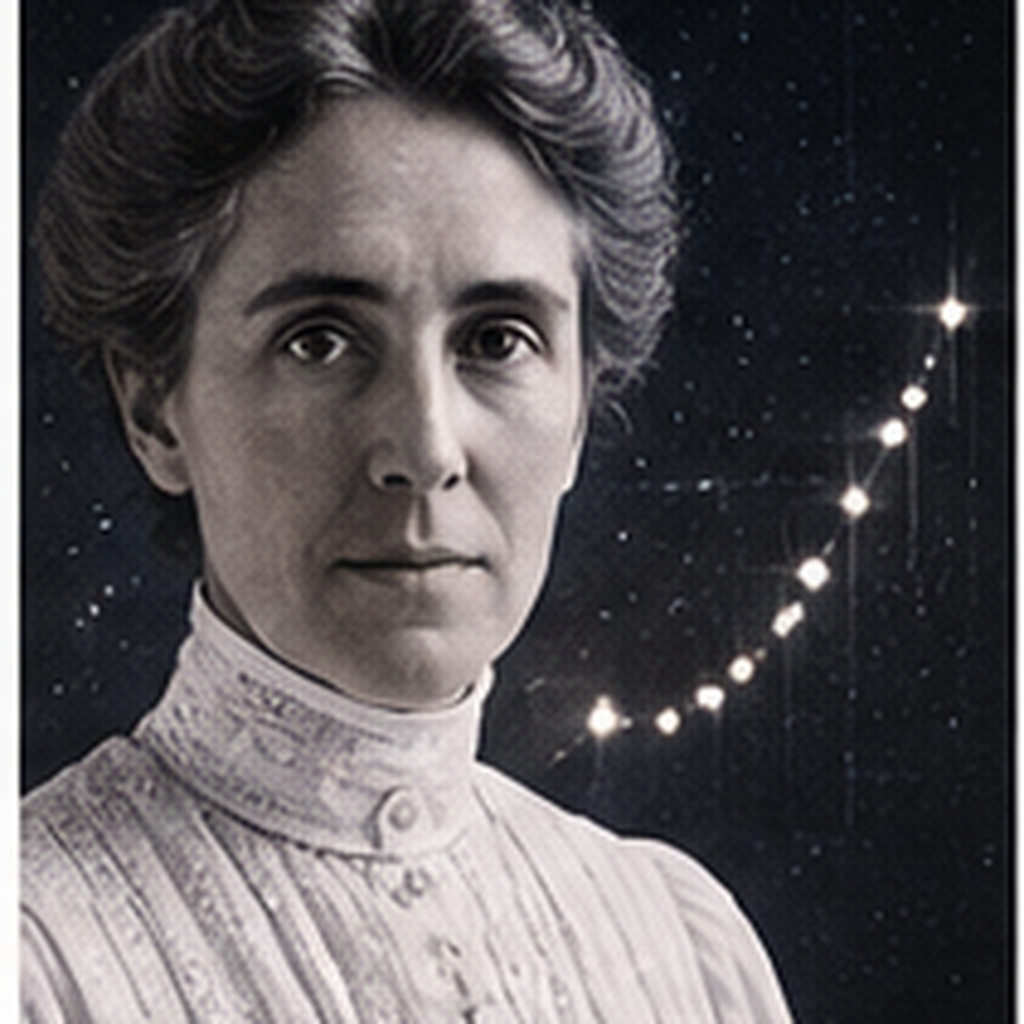
Henrietta Swan Leavitt
Explore Henrietta Swan Leavitt, Cepheid variables, stellar distance measurement, and the path from stars to galaxies.
Historical Figures
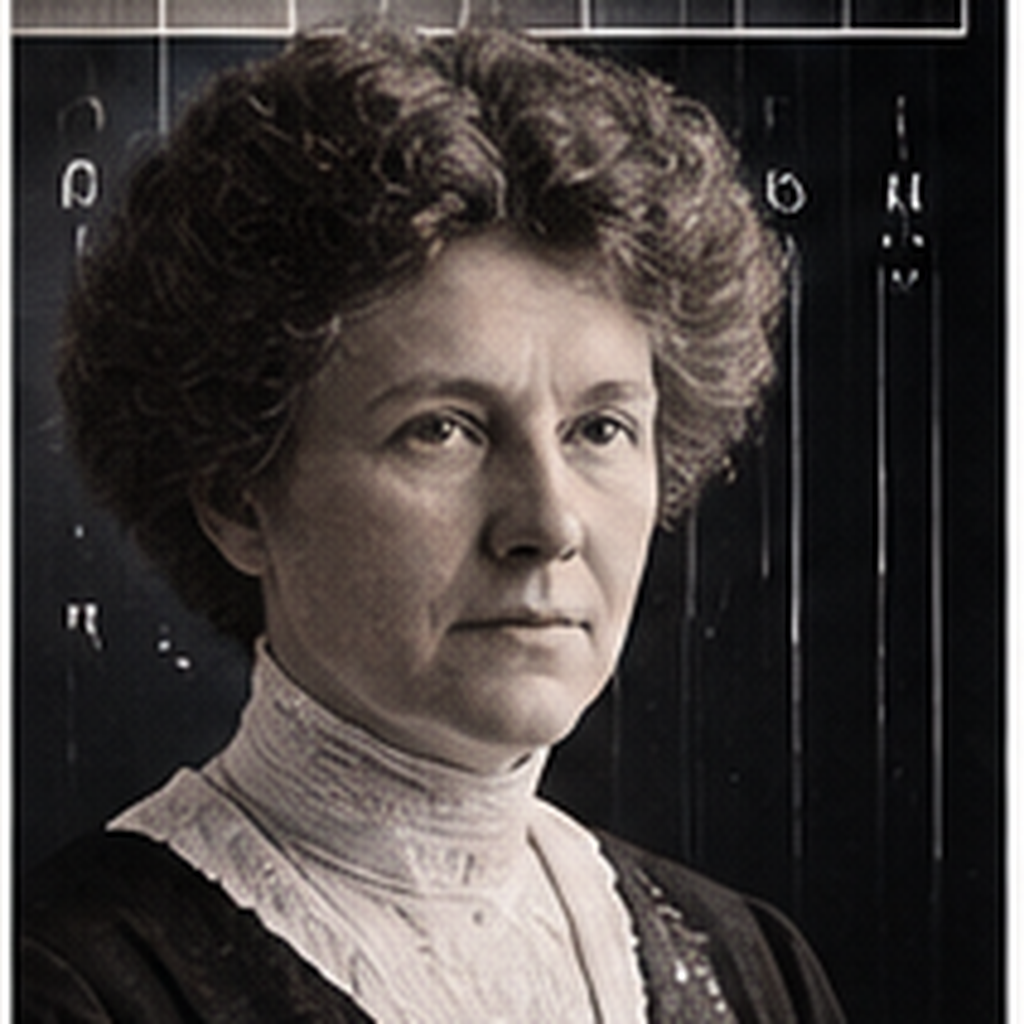
Annie Jump Cannon
Explore Annie Jump Cannon, stellar classification, star spectra, and the framework that will connect to TransitSatellite's future Galaxy experience.
Historical Figures
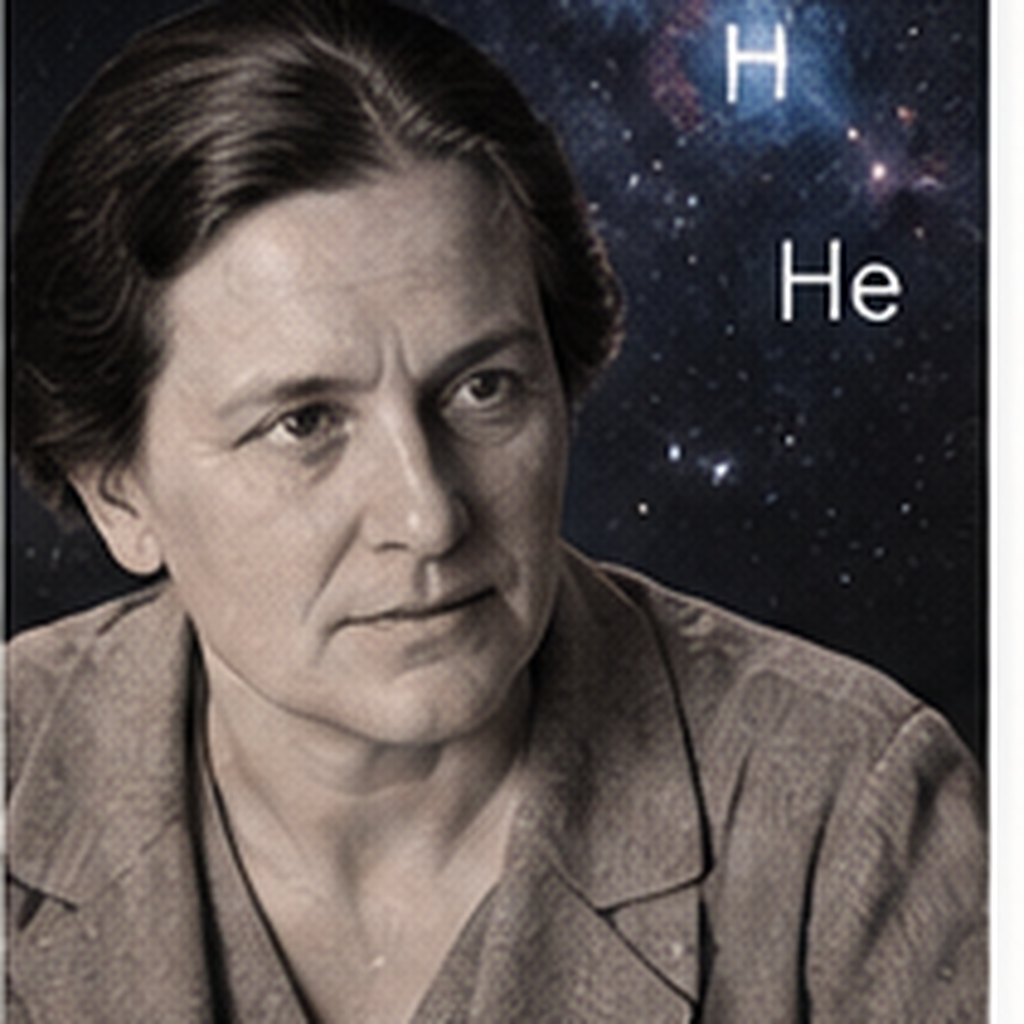
Cecilia Payne-Gaposchkin
Explore Cecilia Payne-Gaposchkin, stellar spectra, hydrogen and helium, and how scientists determine what stars are made of.
Historical Figures
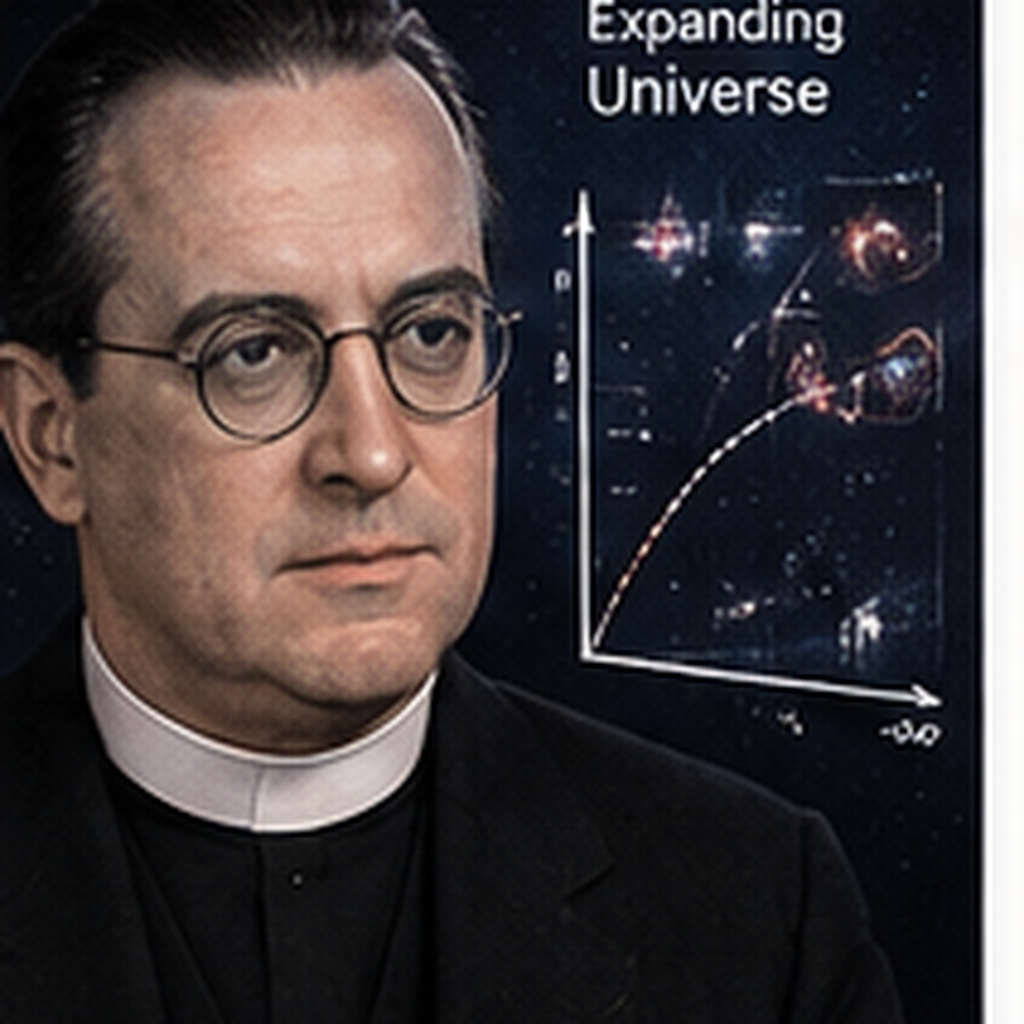
Georges Lemaître
Explore Georges Lemaître, cosmic expansion, relativity, galaxies, and the development of modern cosmology.
Historical Figures
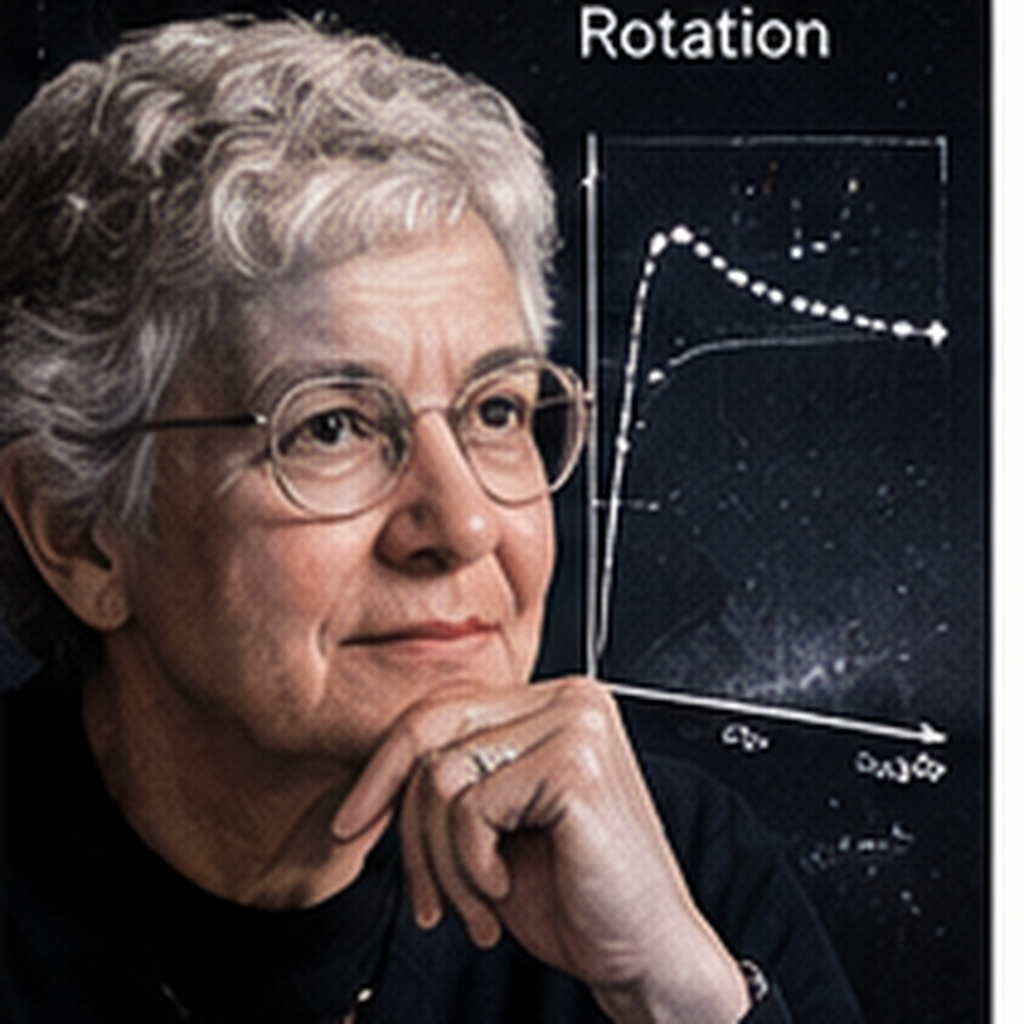
Vera Rubin
Explore Vera Rubin, galaxy rotation, dark matter evidence, and how orbital motion can reveal mass that cannot be seen directly.
Historical Figures
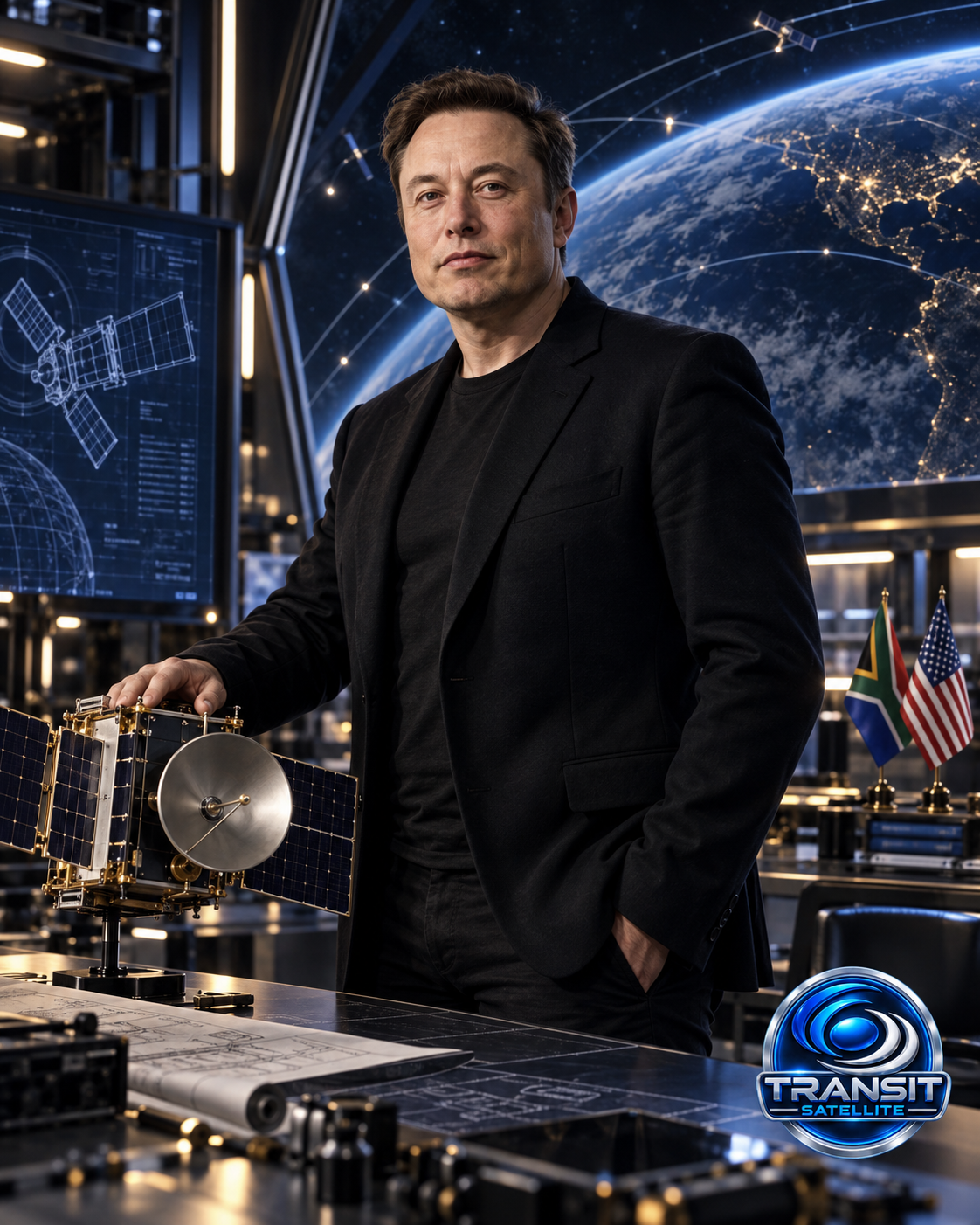
Elon Musk
Explore Elon Musk, SpaceX, Starlink, reusable launch systems, and the development of a global low-Earth-orbit broadband constellation.
Historical Figures
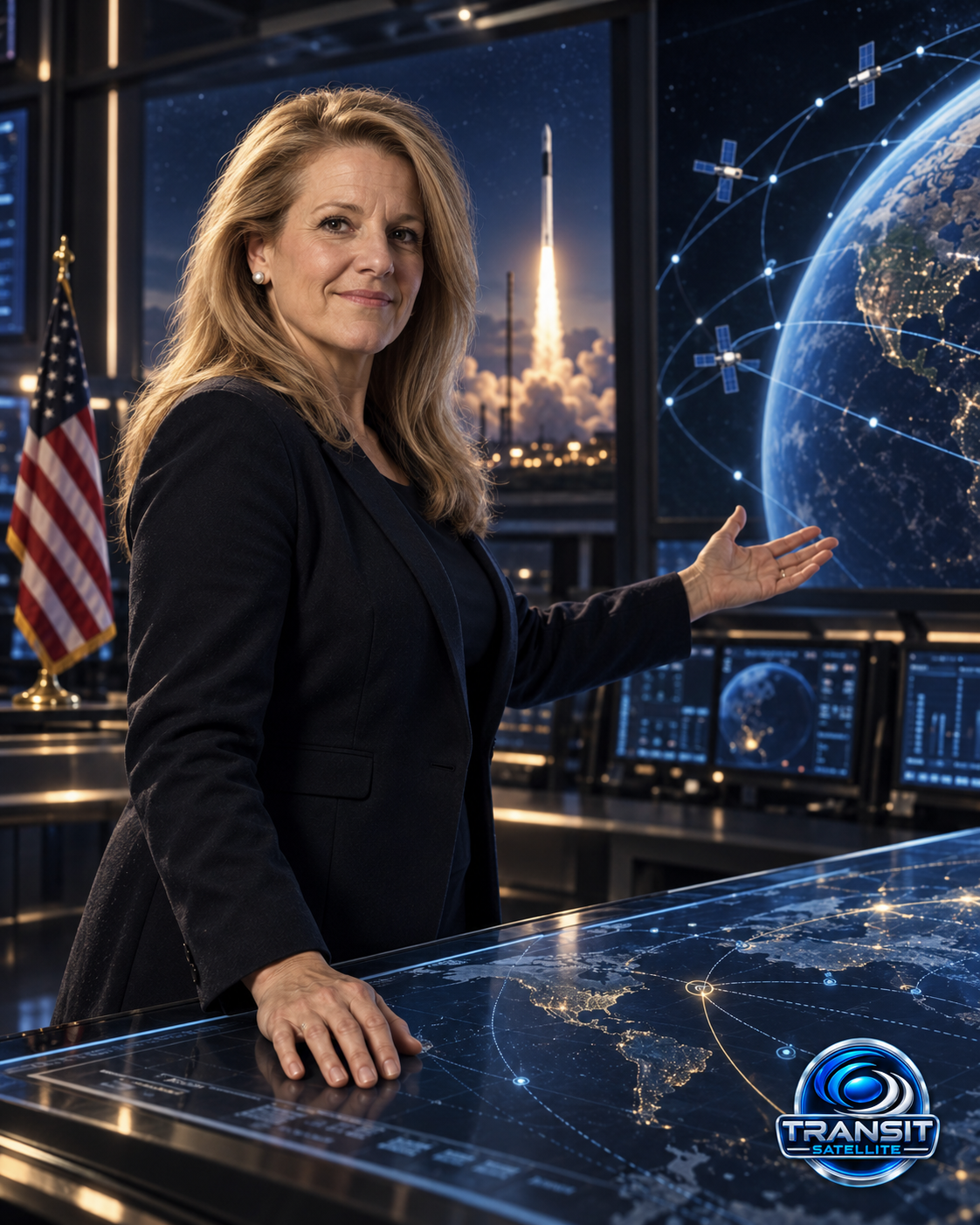
Gwynne Shotwell
Explore Gwynne Shotwell and how operational leadership helped SpaceX scale launch services and Starlink into large global systems.
Historical Figures
John R. Pierce
Explore John R. Pierce, Bell Labs, Echo, Telstar, and the engineering path that helped make satellite communications practical.
Historical Figures
Harold Rosen
Explore Harold Rosen, Syncom, geosynchronous orbit, and the engineering foundation of modern satellite communications.
Historical Figures
Bary Bertiger
Explore Bary Bertiger, Iridium, and how large low-Earth-orbit constellations were envisioned before Starlink.
Historical Figures
Greg Wyler
Explore Greg Wyler, O3b, OneWeb, and the development of modern satellite broadband constellation concepts.
Historical Figures
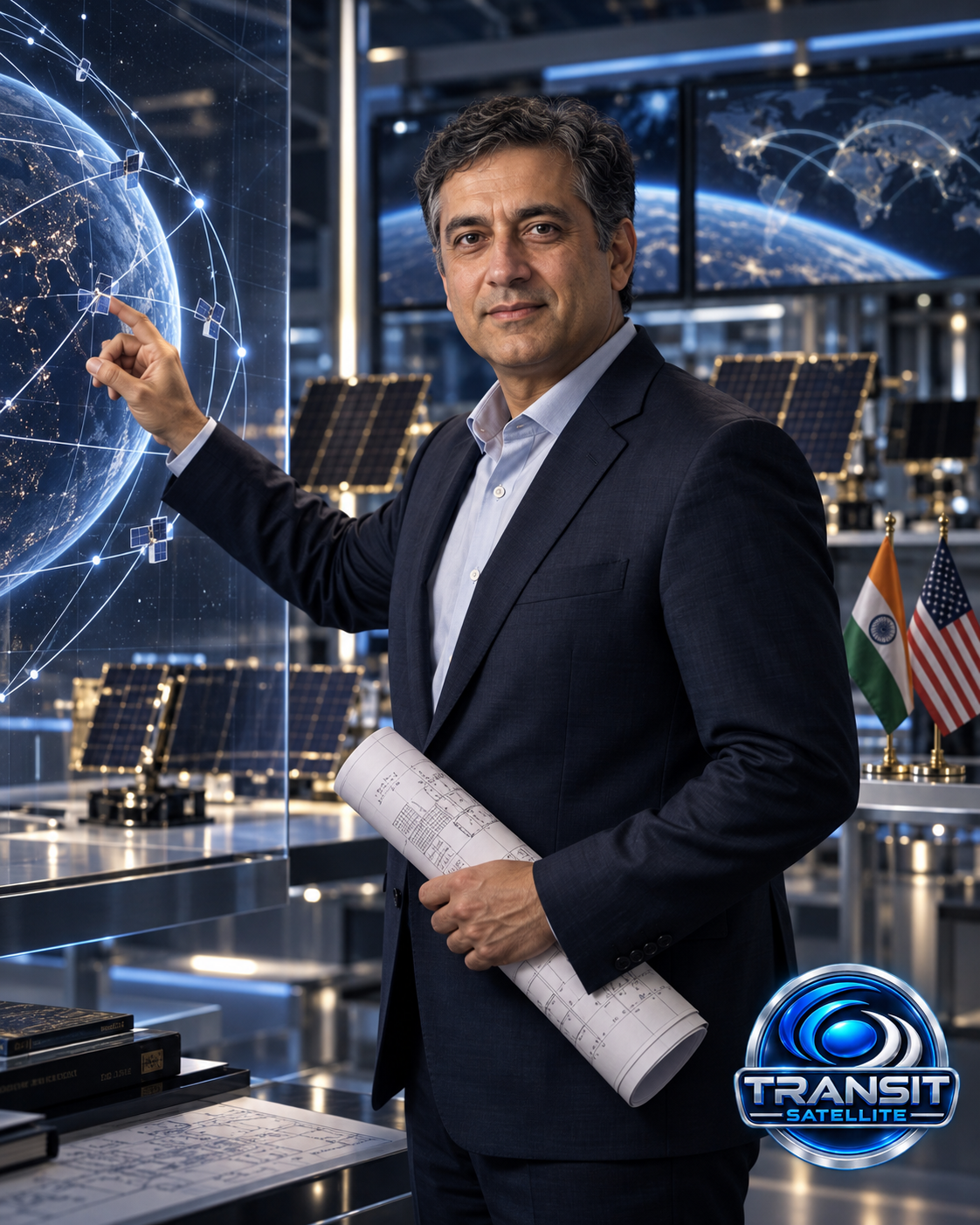
Rajeev Badyal
Explore Rajeev Badyal and his connection to Starlink, Project Kuiper, satellite engineering, and modern low-Earth-orbit broadband networks.