
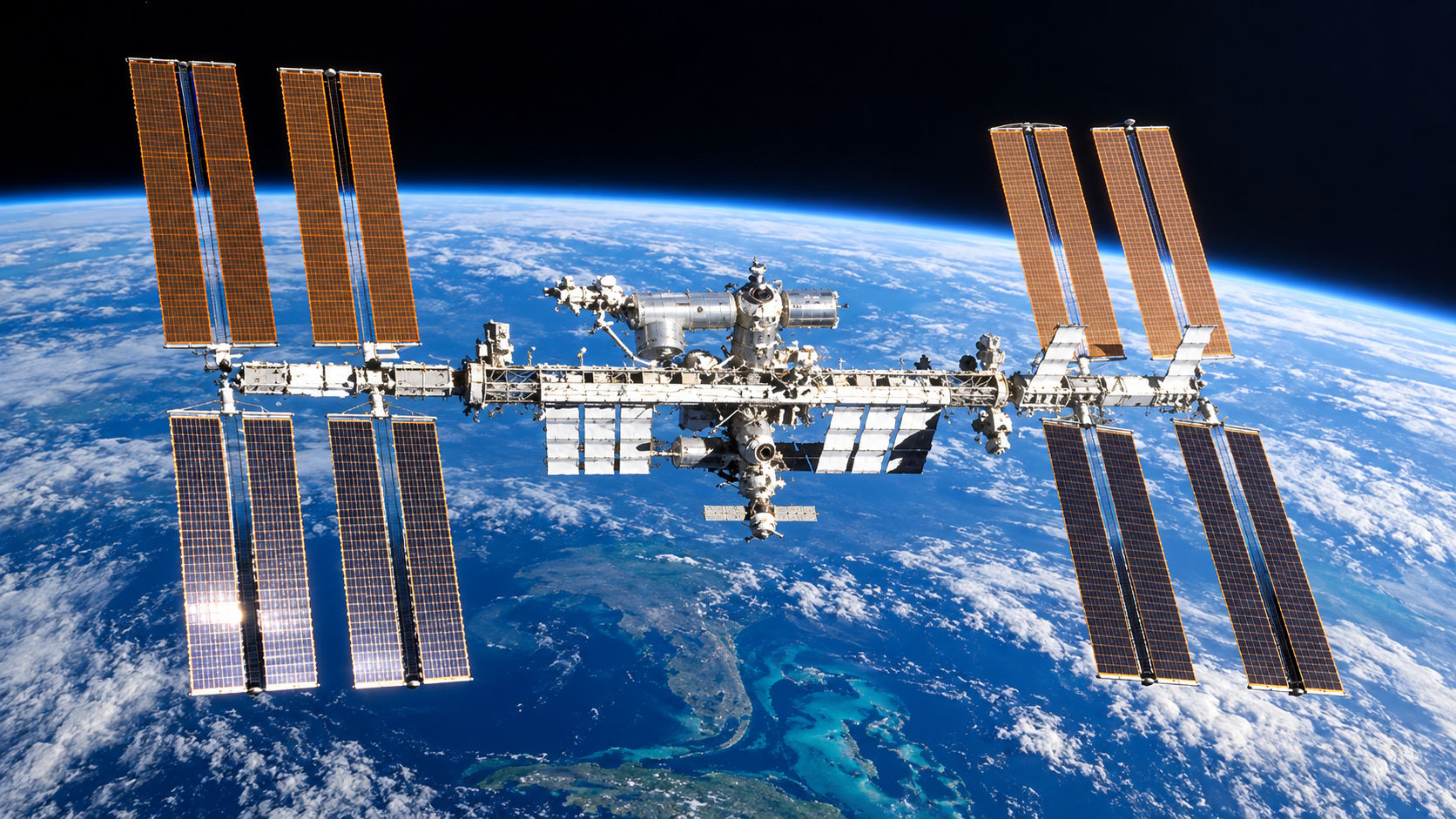
Your first purchase for an ISS-watching session can be no purchase at all. NASA confirms that a suitable ISS pass can be observed with unaided eyes. The useful preparation is knowing when and where to look, choosing an open view and being ready before the pass begins.
Treat a satellite's position on a map and its visibility from your location as separate questions. The station reflects sunlight; a plotted object is not necessarily a visible point in your sky. Begin with an appropriate observing opportunity rather than assuming everything in the catalog can be seen.
Plan the view before packing gear
Check the relevant time, direction and elevation information, and make sure the location used for the prediction is correct. Visit or assess the viewing spot before darkness if it is unfamiliar. Buildings, trees and local weather can interfere with an otherwise promising session. Keep the plan simple enough that you can spend the pass looking up.
Choose optional equipment for a clear purpose
Binoculars can also support general stargazing before or after a pass, but they are not necessary to see the ISS. Compare manageable weight and field of view rather than shopping for maximum magnification. A dim red light can help with notes or controls; avoid flooding other observers' viewing area with a bright white beam.
Separate watching from photography
For an initial photograph, consider the phone or camera you already own and a compatible support. Check clamp dimensions, attachment points and total load before buying a tripod. Detailed spacecraft imaging is a separate technical challenge. An ordinary tripod or smartphone-assisted telescope should not be advertised as automatically tracking a fast-moving spacecraft.
- Practice camera controls before the pass.
- Decide whether the goal is a memory, a wide scene or a technical image.
- Avoid spending the entire observing opportunity troubleshooting new equipment.
Use the session to improve the next one
Record the date, viewing position, conditions and what made the session easier or harder. That note gives the next purchase a purpose: a more comfortable support, a better carrying method or no change at all. The tracker remains a planning tool; buying equipment does not guarantee visibility.