Stories, books & models · Buying guide

Choosing books and audiobooks about space history

Compare mission histories, biographies and technical references in print, digital and audio formats, alongside free primary-source reading.

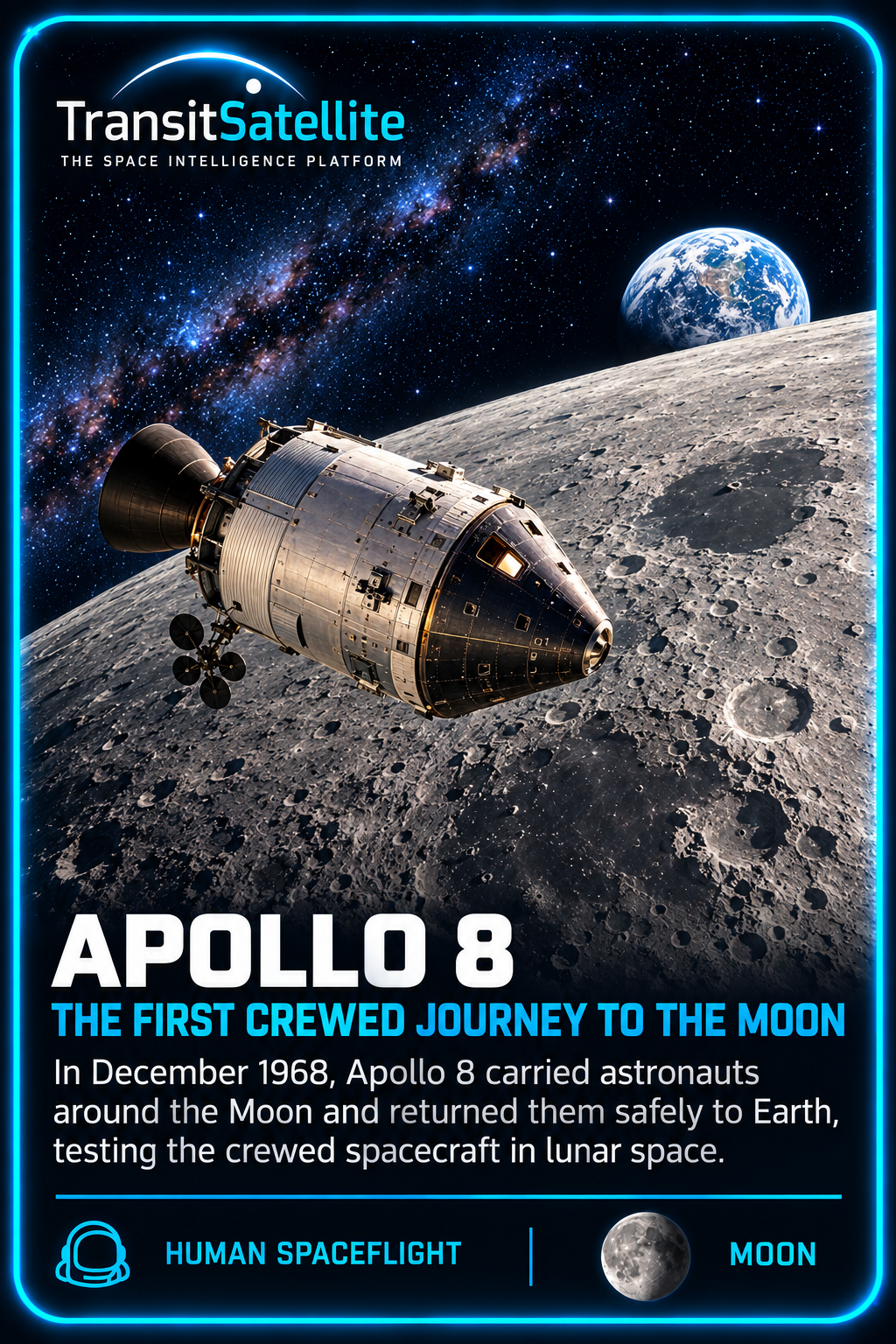
Editorial Apollo 8 mission artwork, not a photograph of a book for sale

Affiliate links. As an Amazon Associate I earn from qualifying purchases. TransitSatellite may earn a commission when you buy through these links.

Check current price, availability, seller, and the exact edition or model at the retailer. How we select resources.

Start with the question you want a book to answer. A broad history can explain the sequence of a program, a biography can follow one person's experience, and a technical reference can examine how a system worked. Those are different reading goals, so popularity or an attractive cover should not be your only selection criteria.

Check free reading before purchasing an edition. NASA offers downloadable e-books and a history series covering many aerospace subjects. A paid print copy may still suit your reading preferences, but compare its content and format with the original publication rather than assuming payment means additional research.

Pick the right kind of account

For a first overview, inspect the contents page for a clear narrative and helpful context. A memoir offers a participant's firsthand perspective; a historian can place that experience in a broader context using other sources. Compare both when useful. For engineering detail, look for readable diagrams, terminology support and explanations that match your background.

Inspect the evidence and edition

Look for citations, a bibliography, an index and identifiable authorship. Check the publication date to understand which events the book could cover, not to dismiss older work automatically. When comparing editions, examine whether illustrations, notes and appendices are included. A different cover or printing does not by itself establish expanded content.

  • Compare the exact title, author, publisher and edition.
  • Preview diagrams and image legibility where possible.
  • Check whether an abridgment suits the detail you want.

Use primary material alongside narrative

NASA's history and e-book collections provide a useful starting point for mission and institutional material. Pair that reading with a related TransitSatellite People or Missions story. Keep notes on the distinction between a contemporary account, a later recollection and the author's interpretation. Comparing sources makes a reading list more valuable than collecting many similar summaries.

Compare the audiobook edition separately

Check the exact title, author, narrator and whether the recording is abridged. Listen to the publisher's sample before choosing a narration style. For diagram-heavy material, check for companion illustrations or consider a print reference alongside the recording. An audiobook search is a way to find candidates, not evidence that every print edition has an audio equivalent.

Choose a format you will actually use

A print edition may suit annotation and frequent reference; a digital edition can make searching easier when that feature is provided. A wall chart can help organize names or missions visually, but it is not a substitute for a sourced history. The current catalog includes an exploration chart; book and audiobook searches below are discovery options, not endorsements of every result.

Equipment to explore

Use the guide to compare these options with your own needs. Category illustrations are not product photographs.

Affiliate links. As an Amazon Associate I earn from qualifying purchases. TransitSatellite may earn a commission when you buy through these links.

Pop Chart — The Chart of Cosmic Exploration

A visual chart celebrating the history and reach of human and robotic exploration throughout the Solar System.

  • Space exploration wall chart
  • Mission-focused visual design
  • Suitable for offices, classrooms, and space-themed rooms

Explore further at the retailer

These affiliate links open search results. Check the exact model, title, or edition on the retailer site.

Explore Apollo histories in print

Compare authorship, sources and edition details rather than selecting from cover art alone.

Amazon search · affiliate link

Find print biographies of space pioneers

Inspect the author's evidence, intended readership and exact person covered in each result.

Amazon search · affiliate link

Compare spacecraft engineering books

Look for readable technical illustrations and a level of explanation suited to your background.

Amazon search · affiliate link

Explore Apollo history audiobooks

Check the exact title, narrator and edition with the publisher, then listen to a sample.

Amazon search · affiliate link

Research Katherine Johnson audio editions

Verify the author, narrator and available format rather than assuming a print title has an audio edition.

Amazon search · affiliate link

Common questions

Are older space-history books still useful?

They can be. Read them with their publication date and perspective in mind, and use additional sources for events or evidence that appeared afterward.

Does a NASA-themed cover mean NASA published the book?

Do not assume that. Check the author, publisher and publication information, then compare any claimed official source with NASA's own catalog.

Why include a wall chart in a reading guide?

It can serve as a visual companion for keeping track of missions. Treat it as a separate reference format and verify important facts in fuller sources.

Sources & further reading

These sources inform the guide. Their inclusion does not imply an endorsement of TransitSatellite or the retailer products.