
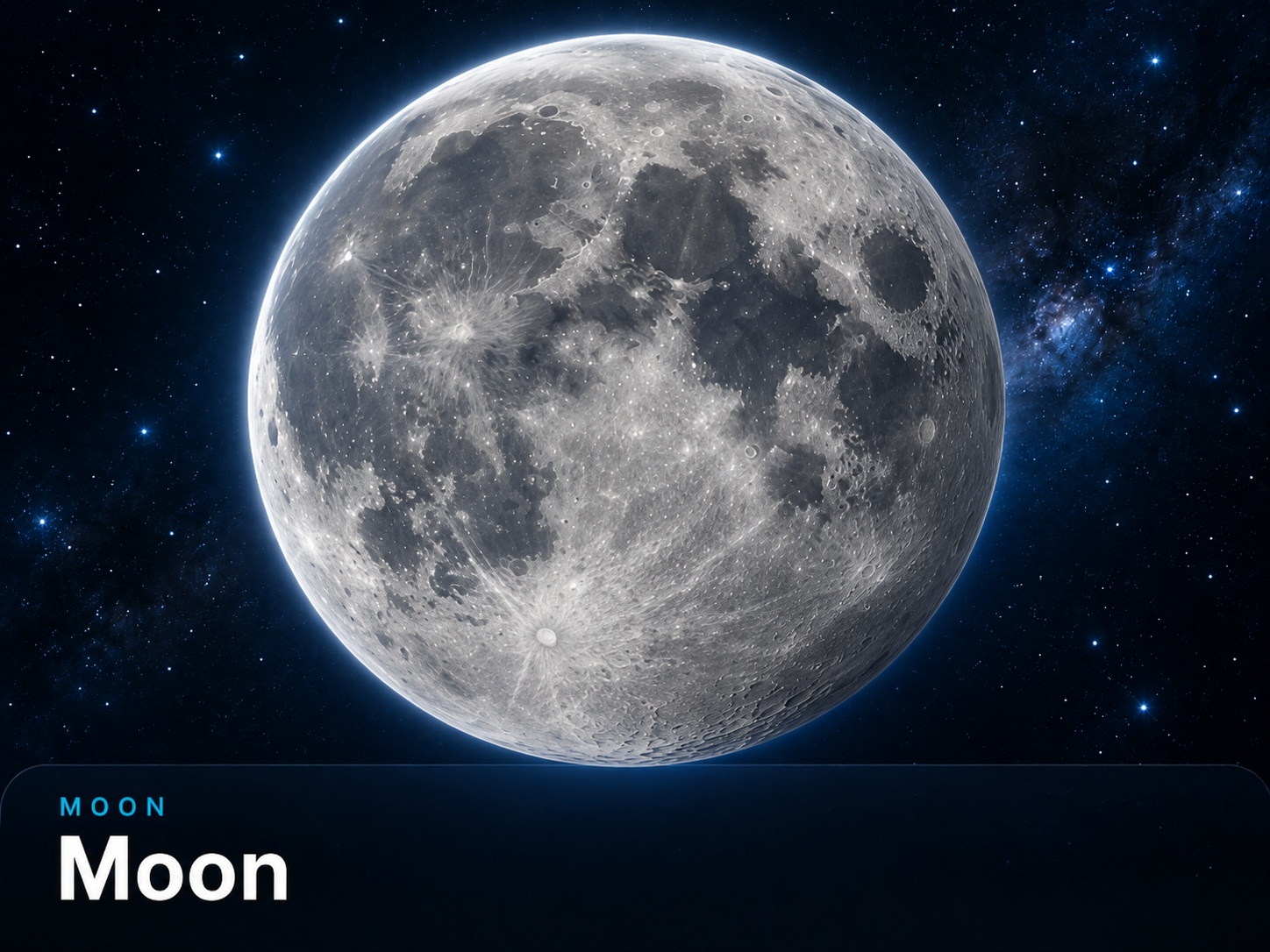
Choose one observing goal for your next clear evening. Recognizing a lunar feature or following a bright planet over several sessions is a more useful starting point than buying a large assortment of accessories. NASA's observing resources include options for unaided viewing, binoculars and telescopes, so you can begin at several equipment levels.
This guide focuses on using a practical setup. The first-telescope guide covers the broader purchase decision; here the question is which equipment and habits will help you observe a chosen target comfortably and return to it another night.
Choose the target and the session
Use the Solar System pages to decide what interests you, then confirm whether the target is available from your observing location and time. A visual model is not a guarantee of visibility tonight. Plan around a clear view, a comfortable position and enough time to set up without rushing.
Build around a stable, manageable instrument
Binoculars offer a different experience from a telescope. Compare weight, field of view and the detail you hope to explore. For a telescope, include the mount and tripod in your assessment rather than concentrating only on the tube. Choose a system you can carry, aim and focus without turning each session into a major project.
Learn the included equipment before adding more
Practice with the supplied eyepieces and begin with an easy-to-find target. A change in magnification changes the image, but more power does not guarantee additional detail. Celestron's eyepiece guidance explains why exceeding useful magnification only enlarges an image without improving what it reveals.
- Try one change at a time and compare the result.
- Check eyepiece and adapter compatibility with the exact instrument.
- Buy an accessory to address a specific limitation you have observed.
Make observing a record, not only a purchase
Keep a simple journal with the date, target, equipment and a sketch or description. NASA encourages lunar observation journals as a way to follow changes. If photographing through an eyepiece, verify the adapter's fit with both phone and instrument. Follow American Astronomical Society guidance for solar safety; this nighttime equipment guide does not provide a solar-viewing setup.