
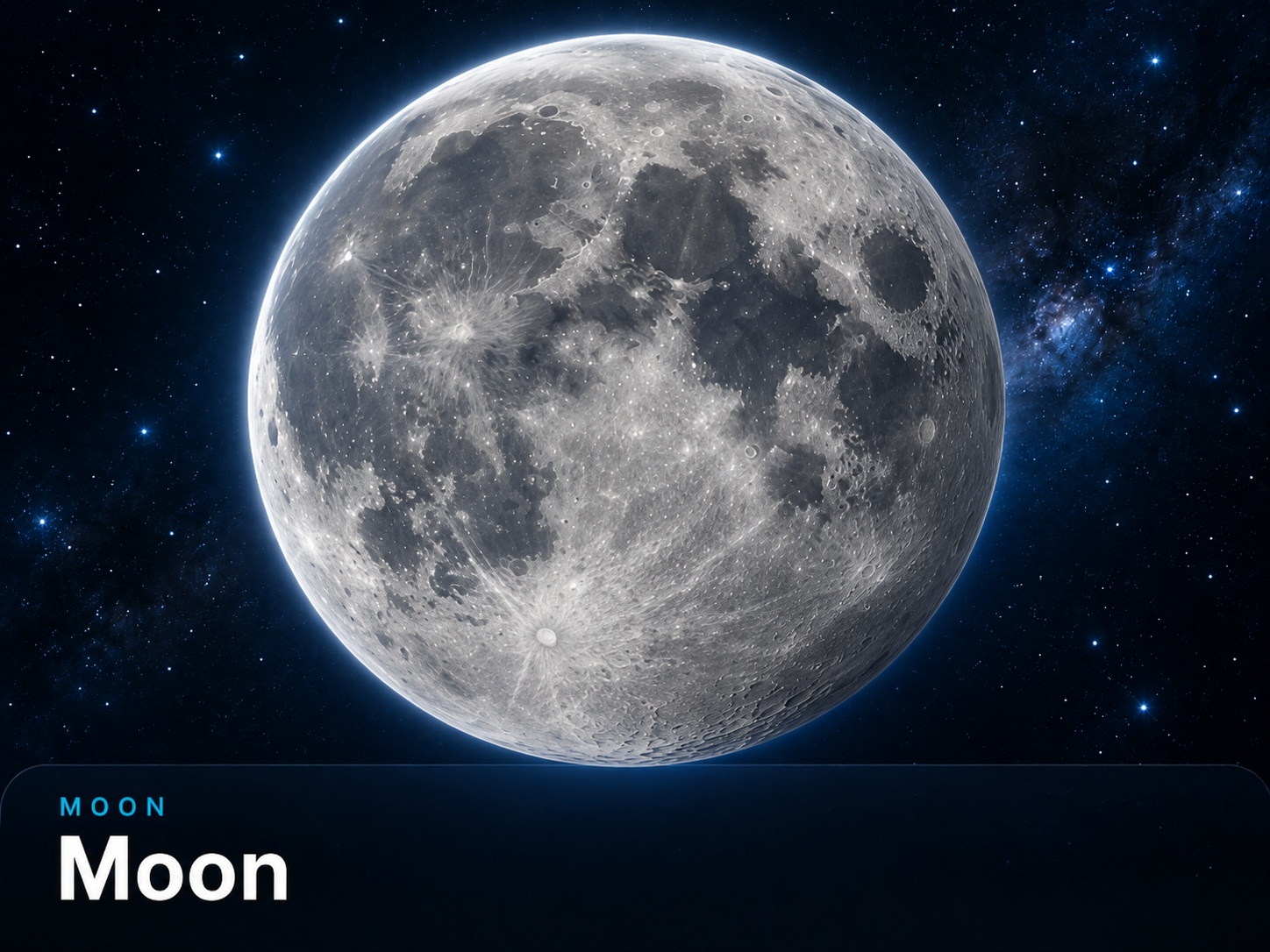
Start with the observing sessions you can realistically fit into your life. A telescope that travels easily from storage to a useful viewing spot can be a better purchase than a larger instrument that you rarely set up. Decide whether you mainly want lunar detail, bright planets, or a wider introduction to astronomy.
The choices below represent different designs and levels of assistance. They are a shortlist for comparison, not a claim of hands-on testing or a promise that the most expensive option will suit you best. Read the manufacturer's current specifications alongside the retailer's exact bundle.
Put aperture and stability ahead of a magnification claim
Aperture is the diameter of the main lens or mirror. It affects light collection and potential detail, but the complete setup matters. A shaky support can make aiming and focusing frustrating. Compare the optical tube, mount, tripod and eyepieces together rather than choosing from a large magnification number on a listing.
Choose how you want to find objects
A manual telescope requires you to aim it. Celestron's StarSense Explorer helps with pointing through a compatible smartphone, but its Explorer technology does not motorize the telescope. Computerized systems introduce a different setup process and power requirements. Do not assume either category automatically follows fast-moving satellites.
Compare complete ownership requirements
Check the assembled weight, storage dimensions, comfortable eyepiece height and included accessories. Determine whether a phone, adapter, battery supply or additional mount is required. Keep part of your budget available for a real need discovered during use rather than buying a large accessory bundle immediately.
- For frequent short sessions, prioritize quick setup and comfortable handling.
- For assisted aiming, verify current phone compatibility and what the bundle includes.
- For a larger system, plan storage, transport and power before ordering.
Set a useful first observing goal
Begin with an identifiable lunar feature or a bright target you can revisit. Professional space images are not a realistic preview of an eyepiece view. For solar observing, follow American Astronomical Society guidance: never aim unfiltered optics at the Sun, and do not use eclipse glasses behind unfiltered optics.