
TransitSatellite Education · Interactive mission lab
Design a space mission. Balance the budget.
Every spacecraft needs a destination, launch, instruments, and a plan to pay for it all. Experiment with choices to learn how engineers balance science, risk, and financial constraints.
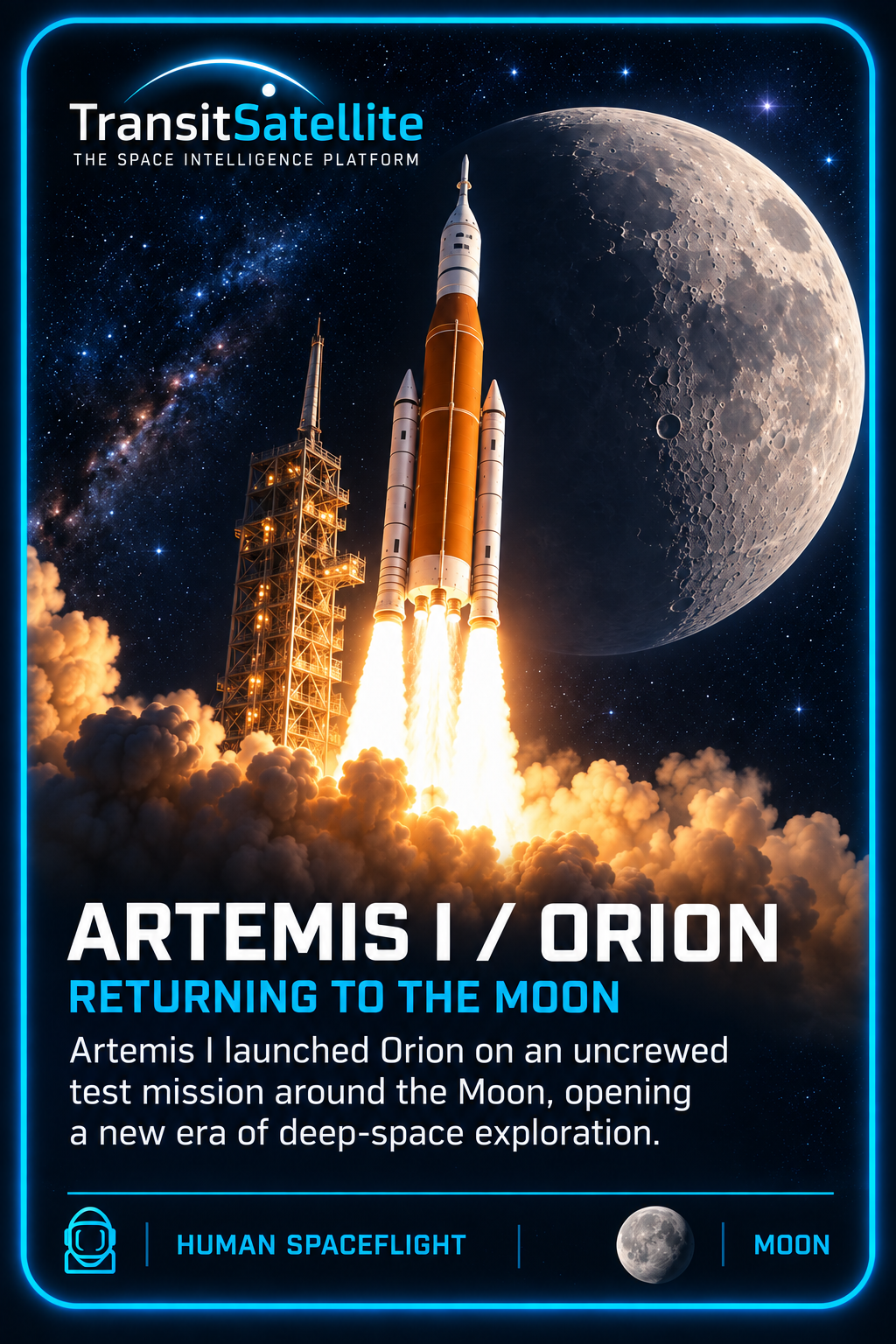
Editorial spacecraft illustration. The mission simulator below is fictional and uses illustrative financial values.
Mission design lab
Build your spacecraft mission
Choose a destination, spacecraft, launch, instruments, and ground operations. Your budget updates as you plan.
Live financial report
Mission budget
- Funding
- $200.00M
- Earth observation
- $12.00M
- Small spacecraft bus
- $38.00M
- Shared launch
- $35.00M
- Imaging camera
- $18.00M
- Lean operations
- $18.00M
- Contingency (15%)
- $18.15M
- Total planned cost
- $139.15M
- Remaining funding
- $60.85M
70% of initial funding committed
Within budget, with no flagged design conflicts
Learning outcome
Illustrative science capability: 47 points. This is a game score, not a real scientific performance metric.
Reflect on your choices
- Can you increase science capability without exceeding your budget?
- What changes if you increase the contingency reserve from 15% to 30%?
- Why might a low-cost launch be incompatible with a distant destination?
- What is the difference between available startup funding and revenue received after a mission succeeds?
All budgets, mission scores, and contract payments are fictional classroom examples in millions of US dollars, not actual launch prices, spacecraft quotations, feasibility assessments, or investment advice. Mission plans are not stored or transmitted.
For teachers and families
Suggested for grades 6–12, with adult guidance as needed. Estimated activity time: 30–45 minutes. Learning goals: budget arithmetic, contingency planning, engineering constraints, mission scope, and the difference between funding and later revenue. The activity runs in your browser without a student account or saved answers.
More educator resources →